Learn how to make a homemade lemon mousse, easy, creamy, and very fresh, with tips to make it perfect, serving ideas, storage advice, and frequently asked questions clearly answered.
Lemon mousse has that something that always makes you want some. It’s fresh, smooth, creamy, and has a lively flavor that lifts any meal without making things complicated. It’s not a heavy or sickly sweet dessert, nor does it require an endless list of ingredients or an entire afternoon in the kitchen. It’s one of those recipes you can make leisurely, let rest in the fridge, and then it shows up on the table as if you had created a pastry masterpiece.
What is a lemon mousse and what texture should it have?
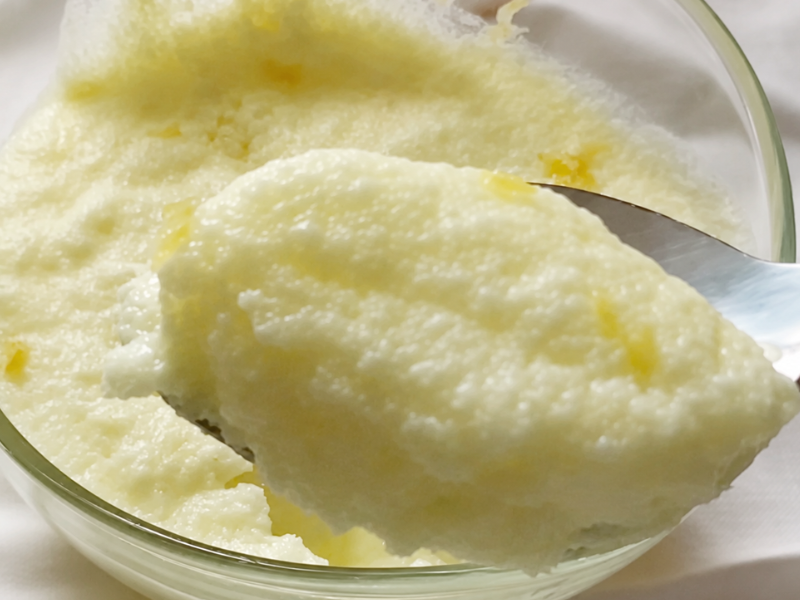
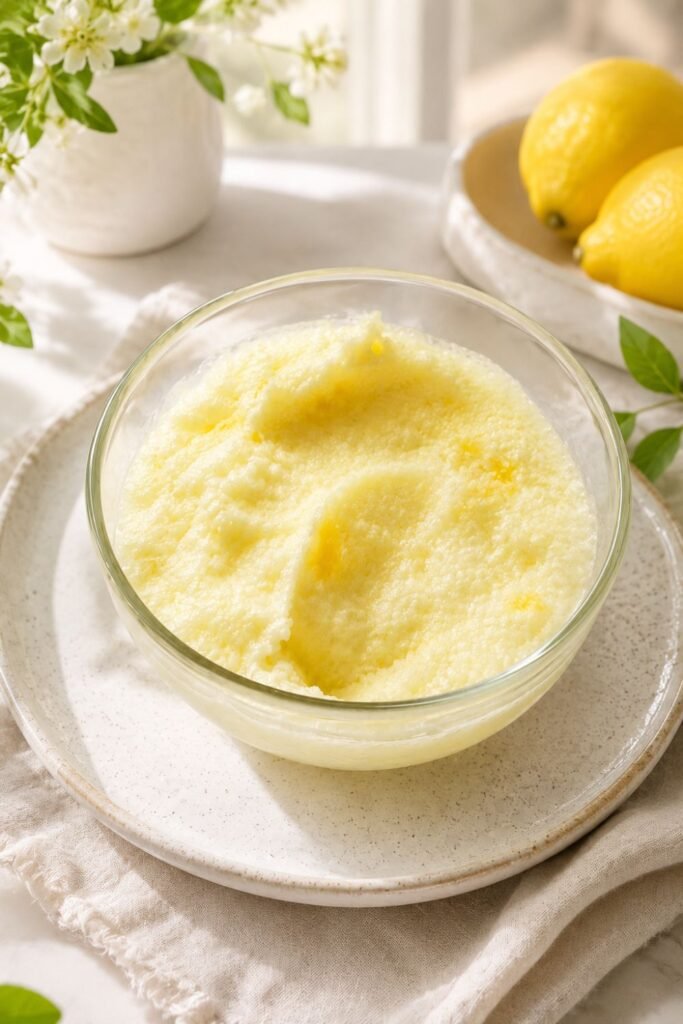
A mousse is a creamy and airy preparation. The word mousse comes from French and means foam, so the main idea is that it has a light, soft, and airy texture. It’s not just a thick cream; it’s a dessert that feels fluffy when you eat it.
In a homemade lemon mousse, that texture is usually achieved by mixing a creamy base with whipped cream, whipped egg whites, or a combination of both. There are very quick recipes made with condensed milk, yogurt, and lemon, and although they end up closer to a thick cream than a classic mousse, they are also delicious. The version I suggest aims for a very pleasant middle ground: creamy, substantial, and light.
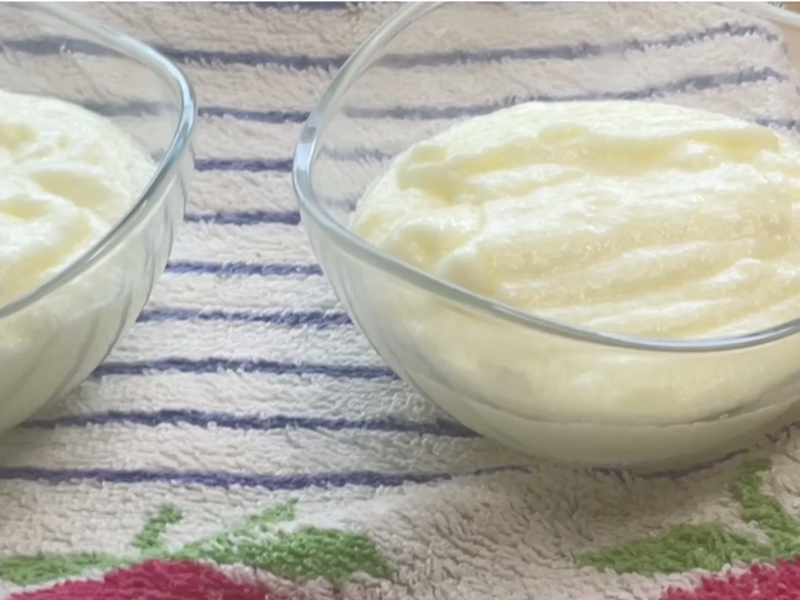
The ideal texture depends a bit on how you’re going to serve it. If you’re making it in little cups, it doesn’t need to be firm. It’s enough that it has some body, holds on the spoon, and feels smooth when you eat it.
If you want to use it as a pie filling or unmold it, then you’ll need a firmer version, usually with gelatin.
A good lemon mousse shouldn’t be runny, nor should it feel like a solid block. It should be at that nice point where the spoon goes in easily, the cream holds its shape, and it feels silky, fresh, and light in your mouth.
Flavor also matters a lot. The lemon flavor should come through clearly, but in a balanced way. The zest helps a lot because it adds aroma without adding more liquid. The juice brings acidity and freshness, while the cream rounds everything out.
Tips to make lemon mousse turn out perfect
A lemon mousse isn’t difficult, but there are details that change the result a lot. When you take them into account, the texture improves and the flavor is more balanced.
Use very cold cream
Cold cream whips better. If the cream is lukewarm, it can stay liquid or whip with difficulty. Keep it in the fridge until the last moment and also chill the bowl if your kitchen is hot.
Add the lemon gradually
Lemon has a strong personality. If you add it all at once, the mousse might end up too sour. Adding it gradually lets you adjust the flavor to your taste.
Mix the cream gently
Once the cream is whipped, it should be treated with care. Mixing too vigorously will make it lose air and the mousse will be heavier. Folding movements help keep a light texture.
Give it enough chilling time
The mousse needs to rest to firm up. Four hours is the minimum recommended. Making it the day before usually gives an even better result.
Taste it before serving.
Before filling the little cups, taste the mixture. It’s the time to make adjustments. You can add a bit more lemon if you want it fresher or a bit more sugar if you prefer it sweeter.
Lemon mousse variations
Lemon mousse can be made in many versions. You can adapt the recipe based on the time you have, the ingredients at home, or the type of dessert you want to make.
Lemon mousse with condensed milk
The version with condensed milk is one of the most well-known because it turns out super creamy and has a really nice sweetness. Condensed milk works wonderfully with lemon since it softens its acidity and creates a silky cream.
To avoid it being too sweet, it’s a good idea to balance it with natural yogurt or Greek yogurt. That mix makes the dessert feel fresher and keeps it from being overwhelming after just a couple of spoonfuls.
Lemon mousse with yogurt
Lemon mousse with yogurt comes out fresh and light. Greek yogurt is the most recommended if you want a good texture, although you can also use regular plain yogurt.
This version is ideal for those who prefer lighter desserts. The yogurt gives a very pleasant tangy touch and pairs really well with the lemon zest.
Lemon mousse with a cookie base
The cookie base makes the mousse a more complete dessert. It adds texture, a toasted flavor, and a really nice contrast with the cream.
You can use María cookies, or digestive ones if you want a stronger taste. Oat cookies or ginger cookies also work well, as long as you like that spiced touch.
Lemon mousse with red fruits
Red fruits look beautiful with lemon mousse. Raspberries, blueberries, and strawberries add color, freshness, and a really nice acidic contrast.
You can put them on top just before serving or make a small fruit layer at the bottom of the little glass. If you make a quick red fruit sauce, the result looks even more attractive.
Lemon mousse with meringue
Lemon mousse with meringue brings to mind the classic lemon pie. You can prepare the little cups with a cookie base, lemon mousse, and a layer of meringue on top.
If you have a torch, you can lightly brown the meringue to give it a more special look. If not, it still looks nice without browning. This version is perfect for celebrations because it has a slightly more elegant touch.
Lemon and lime mousse
The lime adds a different aroma, more floral and refreshing. You can replace part of the lemon with lime or combine both citrus fruits.
A mix of lemon and lime works especially well in summer. With fine zest on top, the dessert smells wonderful.
Lemon mousse with coconut
Coconut goes very well with lemon. You can add a little grated coconut or decorate it with toasted coconut.
You can also use coconut yogurt to give a more pronounced flavor. You should not overdo it, so that the lemon remains the main star.
Common mistakes when making lemon mousse
The recipe is simple, but there are some common mistakes that can affect the outcome.
Using the wrong cream
Cooking cream won’t give you an airy mousse. You need whipping cream, with enough fat content.
If the cream doesn’t whip, the mousse will be too runny and lose that light texture we’re looking for.
Not chilling the cream
Warm cream whips poorly, it’s one of the most common mistakes. It must be very cold before beating it.
On hot days, also chill the bowl and the beaters. It’s a very simple trick that always works.
Overmixing the mousse
Once the cream is whipped, you shouldn’t beat it hard. If you do, you’ll lose the air and the mousse will become denser.
Mix with gentle movements until the cream is incorporated. You don’t need to stir for too long.
Skipping the chilling time
Mousse needs to be refrigerated. If you serve it right after making it, it won’t have the same texture. Resting allows it to thicken and for the flavors to come together.
Frequently asked questions about lemon mousse
Can I make lemon mousse the day before?
Yes, in fact it’s one of the best ways to prepare it. Resting it in the fridge helps the mousse to firm up and for the flavor to become more integrated. If you make it the day before, cover it well and decorate it just before serving.
How long does lemon mousse last in the fridge?
Ideally, you should consume it within 2 or 3 days. It should always be well covered and refrigerated. After that time, it might still look good, but the texture and smell won’t be as fresh.
Can I make lemon mousse without cream?
Yes. You can make a version with Greek yogurt, condensed milk, and lemon. It will be more like a thick cream than an airy mousse, but it’s a quick and very good option. You can also use whipped pasteurized egg whites to add air.
Why does my lemon mousse turn out runny?
It can happen from using low-fat cream, not whipping the cream properly, adding too much lemon juice, mixing too vigorously, or not letting it rest enough. Use very cold whipping cream and leave the mousse in the fridge for several hours.
Can I use bottled lemon juice?
It’s better to use fresh lemon. Bottled juice doesn’t have the same aroma and can give a flatter taste. Also, the zest from fresh lemon adds a lot.
Can you make lemon mousse without lactose?
Yes. You can use lactose-free cream, lactose-free yogurt, and lactose-free condensed milk if you can find it. The result will be very similar to the original recipe.
Final tips to make your lemon mousse unforgettable
Lemon mousse is a simple recipe, but it has a lot of charm. With just a few ingredients, you can get a fresh, creamy, and pretty dessert. The key is to pay attention to the details: cold cream, aromatic lemons, fine zest, gentle mixing, and enough resting time.
There’s no need to make it too complicated. A good lemon mousse doesn’t need a thousand decorations. If the flavor is well balanced and the texture is pleasant, the dessert already has everything it needs.
The best part is that it can be prepared in advance, and that’s always reassuring. When it’s time for dessert, you just have to take the little cups out of the fridge, add a nice decoration, and enjoy.
Lemon mousse is one of those desserts that’s always worth keeping around. It’s easy, fresh, creamy, and very forgiving. It doesn’t need an oven, is made with simple ingredients, and works well for so many occasions.
Its flavor has that really pleasant balance between sweet and tangy. The cream makes it smooth, and the lemon fills everything with aroma. When served nice and cold, every spoonful is light and tempting.
If you try this recipe, I would love to read your comments. You can share if you made it with a cookie base, if you like it with more lemon, if you prefer to decorate it with berries, or if you have any personal trick to make it even tastier.
Homemade recipes always grow when shared, so leave your version and we’ll keep talking about lemon mousse in the comments.
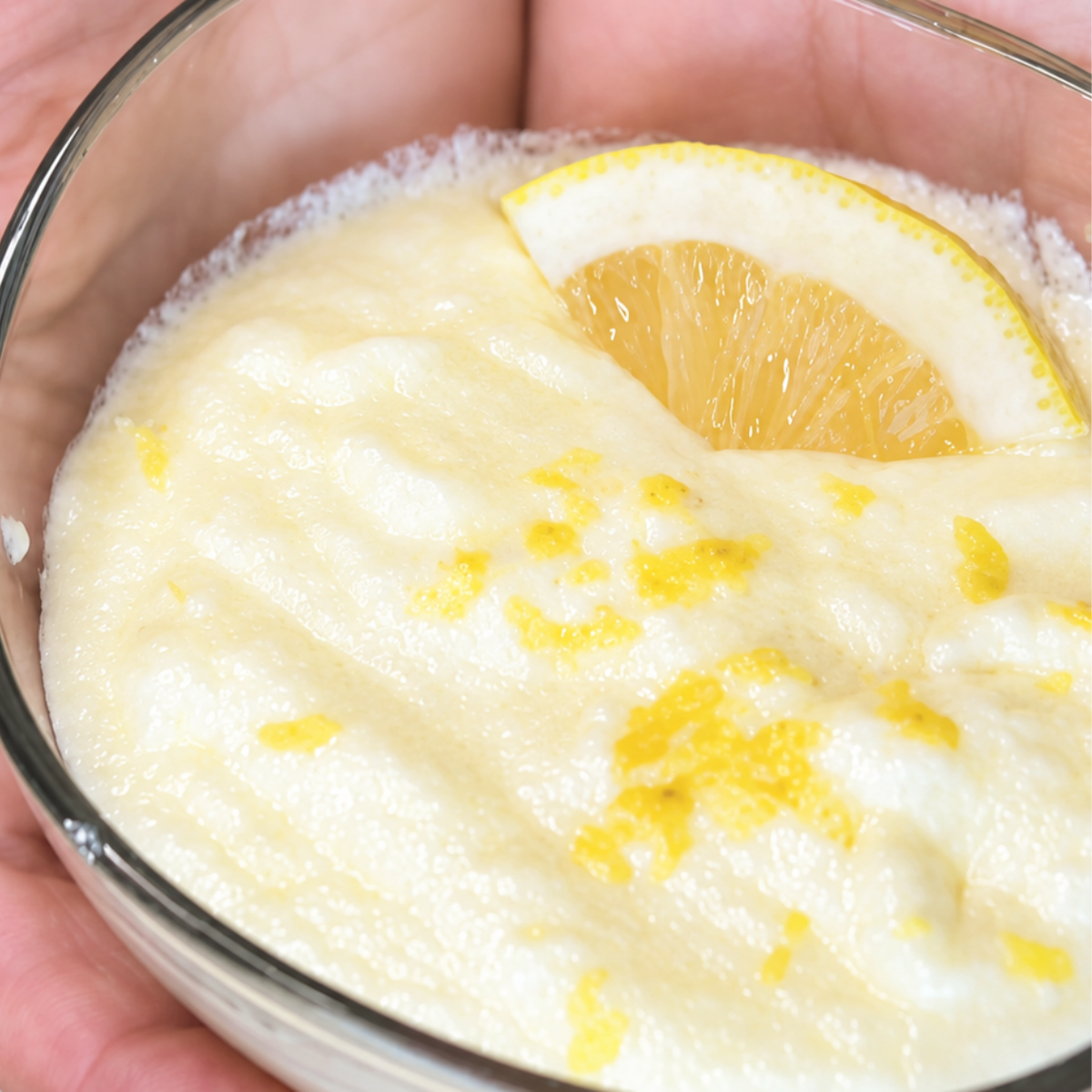
Irresistible Lemon Mousse: Easy, Fresh, Creamy, and Always a Hit
Description
Learn how to make a homemade lemon mousse, easy, creamy, and very fresh, with tips to make it perfect, presentation ideas, storage advice, and frequently asked questions clearly answered.
Ingredients
Method
-
Preparation of the lemons.
Wash the lemons really well before using them. Carefully grate the peel of one of them, taking only the yellow part. Set the zest aside in a small bowl.
Squeeze the lemons and strain the juice to remove seeds and large bits of pulp.
Taste the juice before using it. Some lemons are very sour and others are milder. This step helps you adjust the recipe better.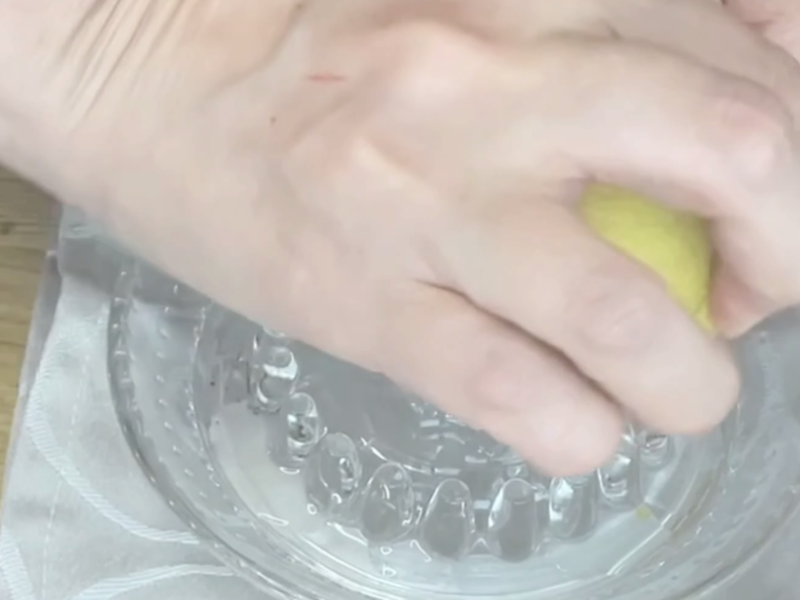
-
Lemon cream preparation
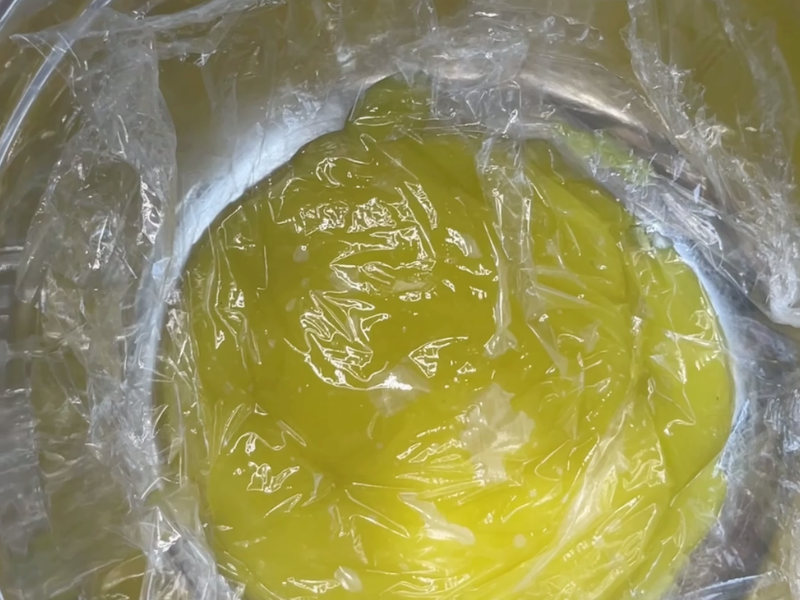
Dissolve the cornstarch in the lemon juice while cold, then heat it until it thickens, about 3-5 minutes.
Set it aside in a bowl, cover it with plastic wrap so it doesn't dry out, and let it cool.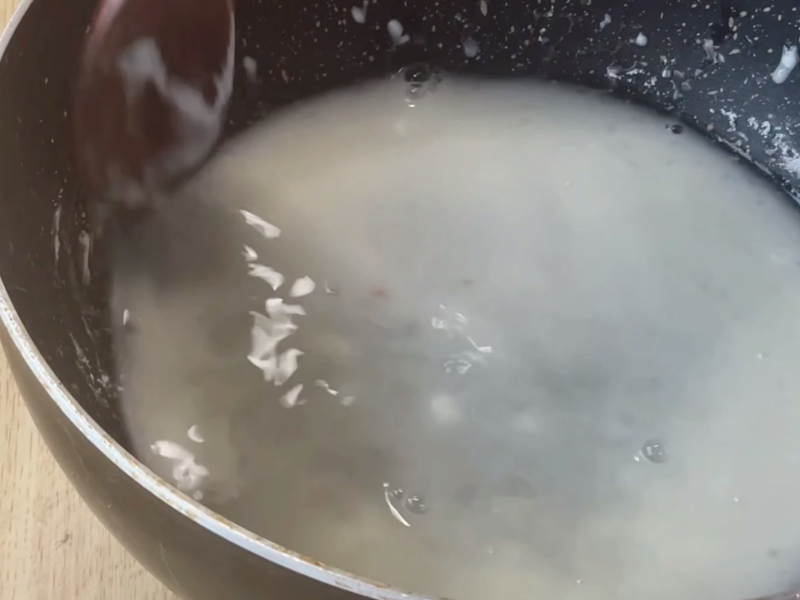

-
Whipped cream.
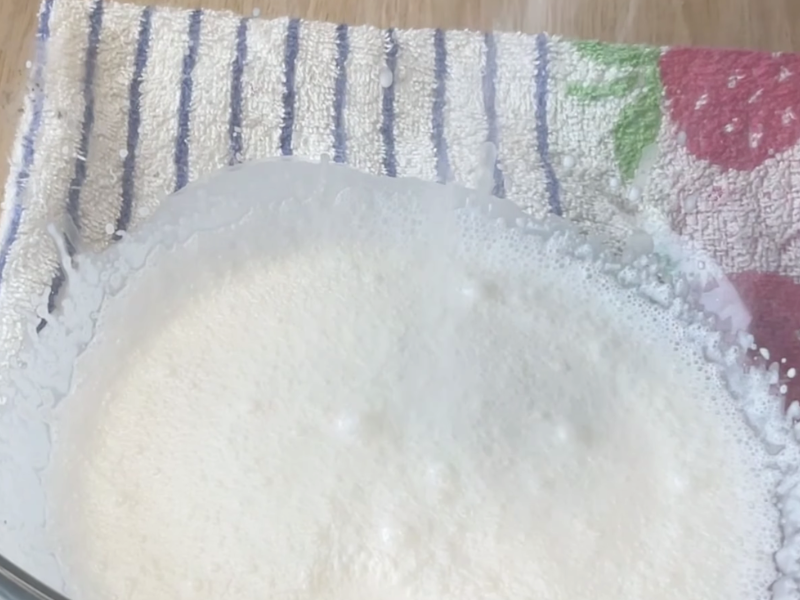
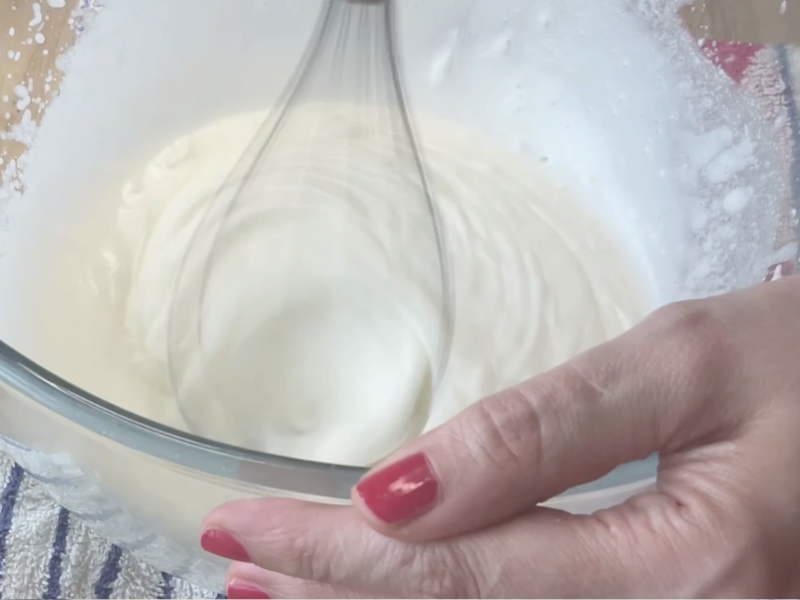
Pour the very cold cream into another bowl. Beat with electric whisks at medium speed until it starts to thicken. Then increase the speed a bit and keep beating until the cream is firm but still creamy. Add the sugar when it starts to thicken.
The ideal texture is cream that holds its shape but still looks smooth and appealing.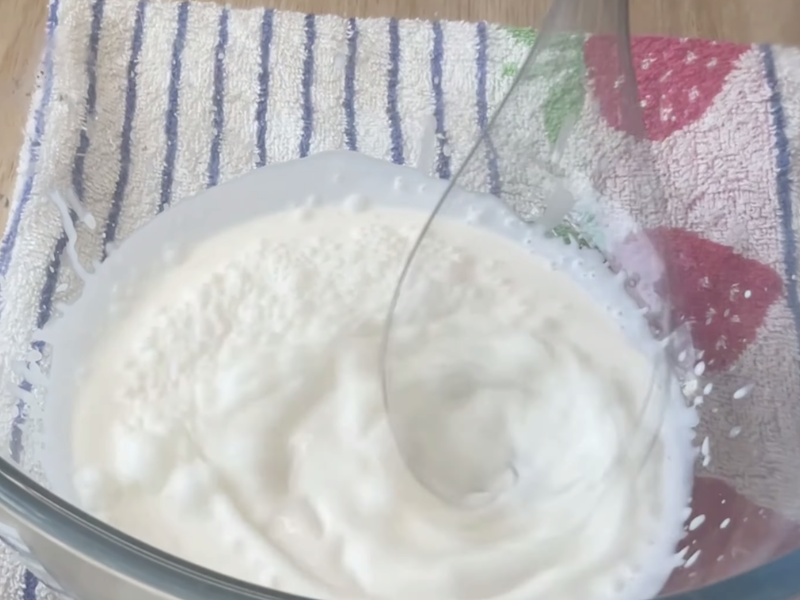
-
Final mix of the mousse.
Add a big spoonful of lemon cream to the cream. Mix without fear to lighten the base a bit.
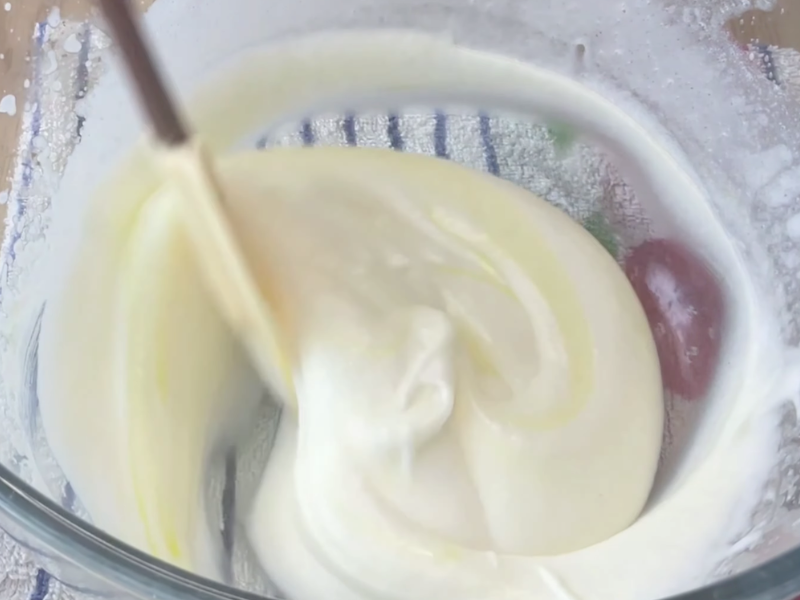
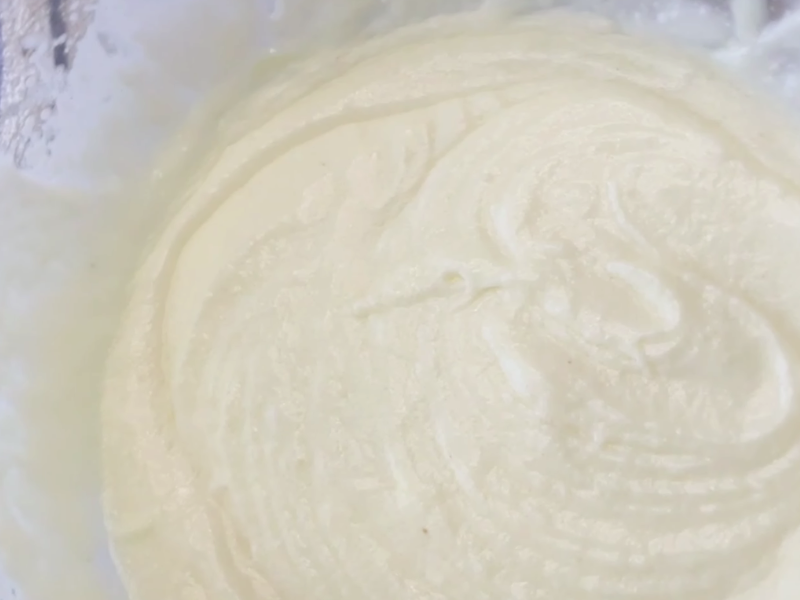
Then add the rest of the cream in two or three batches. Do it with gentle, folding movements, bringing the mixture from the bottom to the top. The idea is to incorporate the cream without losing all the air you've whipped into it.
When there are no more white streaks and the mixture looks uniform, the mousse will be ready to portion out.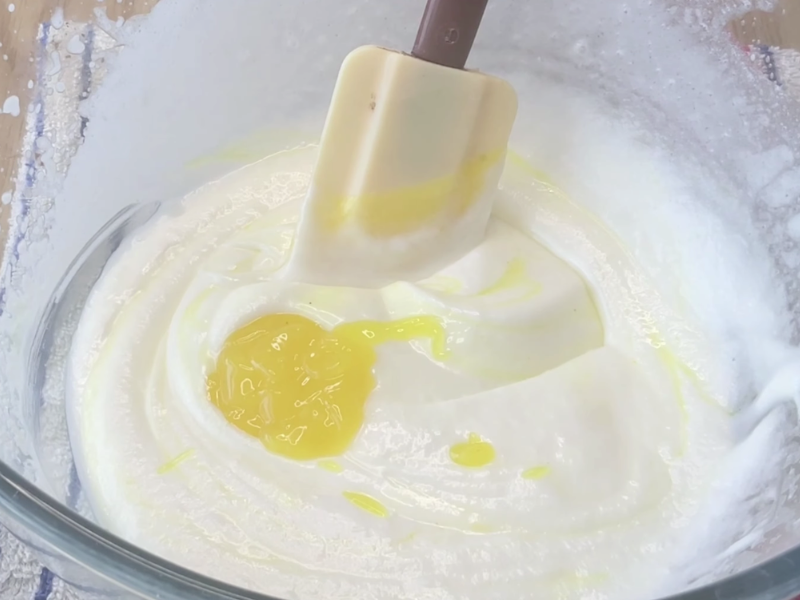
-
Serve in little cups.
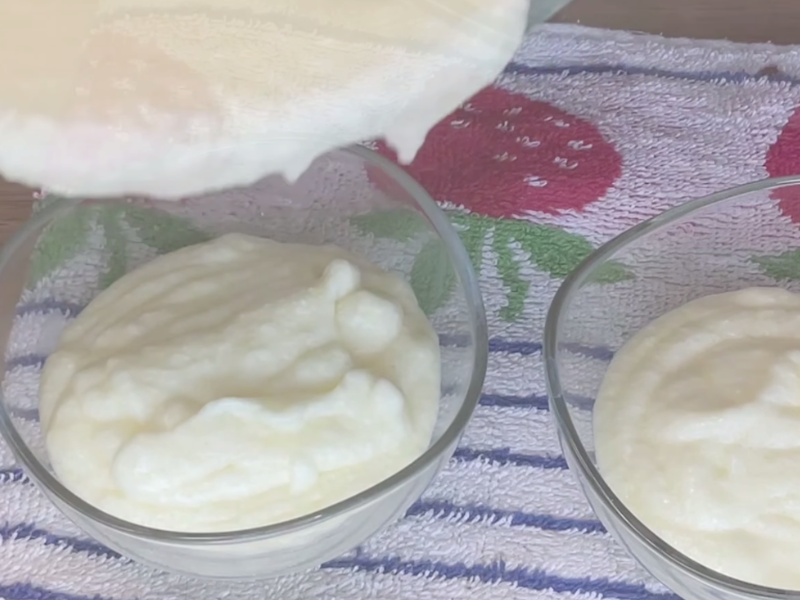
Place the little cups on a tray so you can move them easily. Spoon the mousse into the cups or use a piping bag if you want a cleaner finish.
Fill the cups, leaving a little space for decoration. Give the tray a few gentle taps so the mousse settles.
Put them in the fridge for at least 4 hours. If you can leave them overnight, even better.
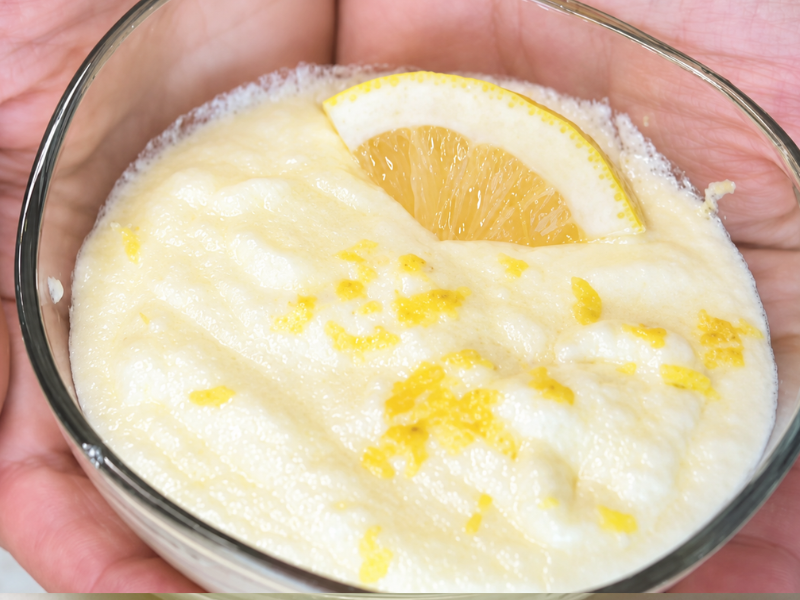
Decorate right before serving. You can add lemon zest, crushed cookies, a mint leaf, berries, or some white chocolate shavings.