There’s a way of cooking that doesn’t begin at the supermarket, but in the pantry.
It starts when you look at that piece of bread that’s gone stale, the vegetables that aren’t so pretty anymore, the chickpeas left over from the stew, the ripe fruit in the fruit bowl, or the rice from the day before. Instead of throwing it away, you think, “maybe something good can still come out of this.”
That’s how our grandmothers used to cook.
They had something much more valuable to prepare their recipes: common sense, patience, and a way of looking at food with respect. In their kitchens, yesterday’s bread turned into crumbs, soups, French toast, or meatballs; leftover stew ended up in croquettes, ropa vieja, or small turnovers. Overripe fruit transformed into compotes, jams, or homemade desserts.
From that way of cooking comes The Spanish Abuela’s Kitchen, a collection of cookbooks designed to recover the wisdom of the past and adapt it to today’s cooking.
*This post contains affiliate links, using them helps me at no extra cost to you
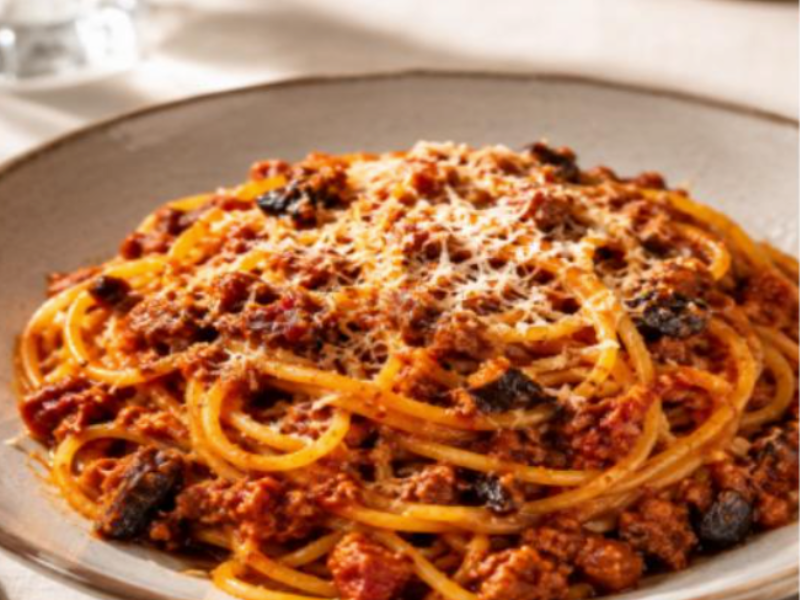
Cook more and waste less
We live in a time when we are increasingly aware of the cost of shopping and food waste. Many times, we throw away food not because it’s bad, but because we don’t know what to do with it.
A little cooked rice seems like nothing. Some ripe vegetables seem sad. A piece of hard bread seems destined for the trash. But with a good recipe, all of that can turn into a delicious meal.
No-waste cooking isn’t about eating bland leftovers. It’s about transforming.
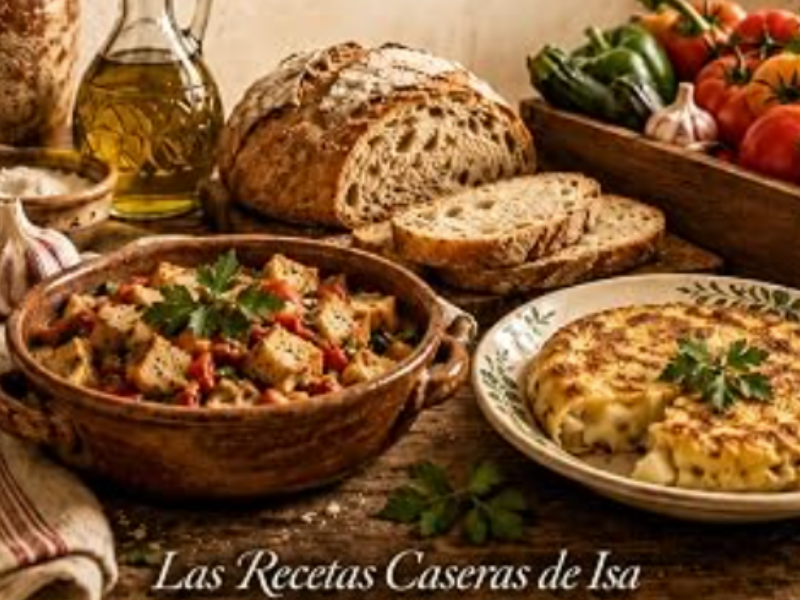
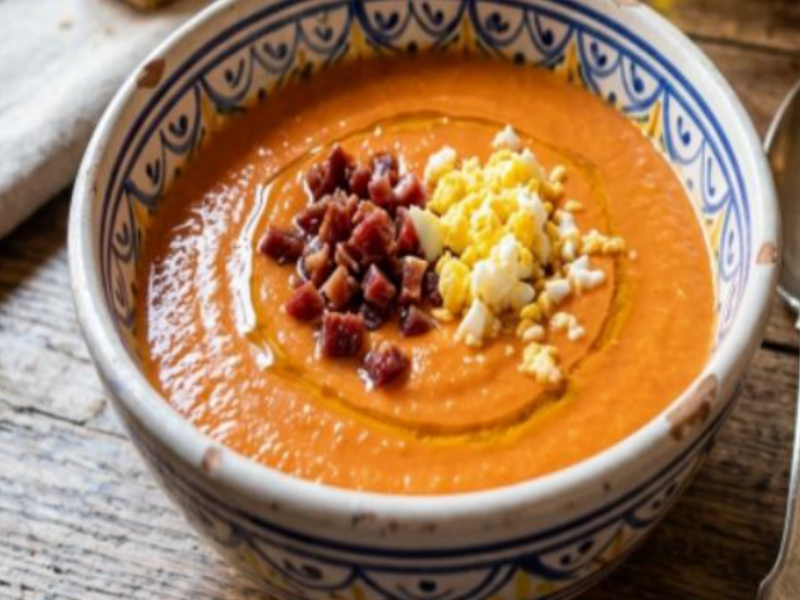
-Turn stale bread into salmorejo, croutons, or French toast.
– Turn leftover stew into croquettes, ropa vieja, or lasagna.
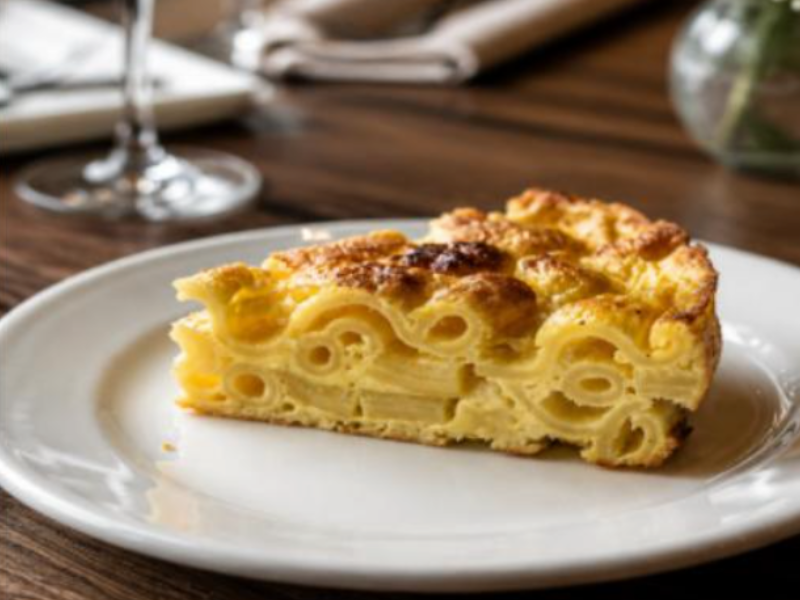
– Turn vegetables and peelings into soups, broths, chips, or omelets.
– Turn milk, yogurt, or cheese into desserts, sauces, or gratins.
– Turn ripe fruit into compotes, syrups, cakes, or jams.
Making the most of something isn’t about settling. Making the most of something is about cooking smart.
A collection of homemade and traditional recipes
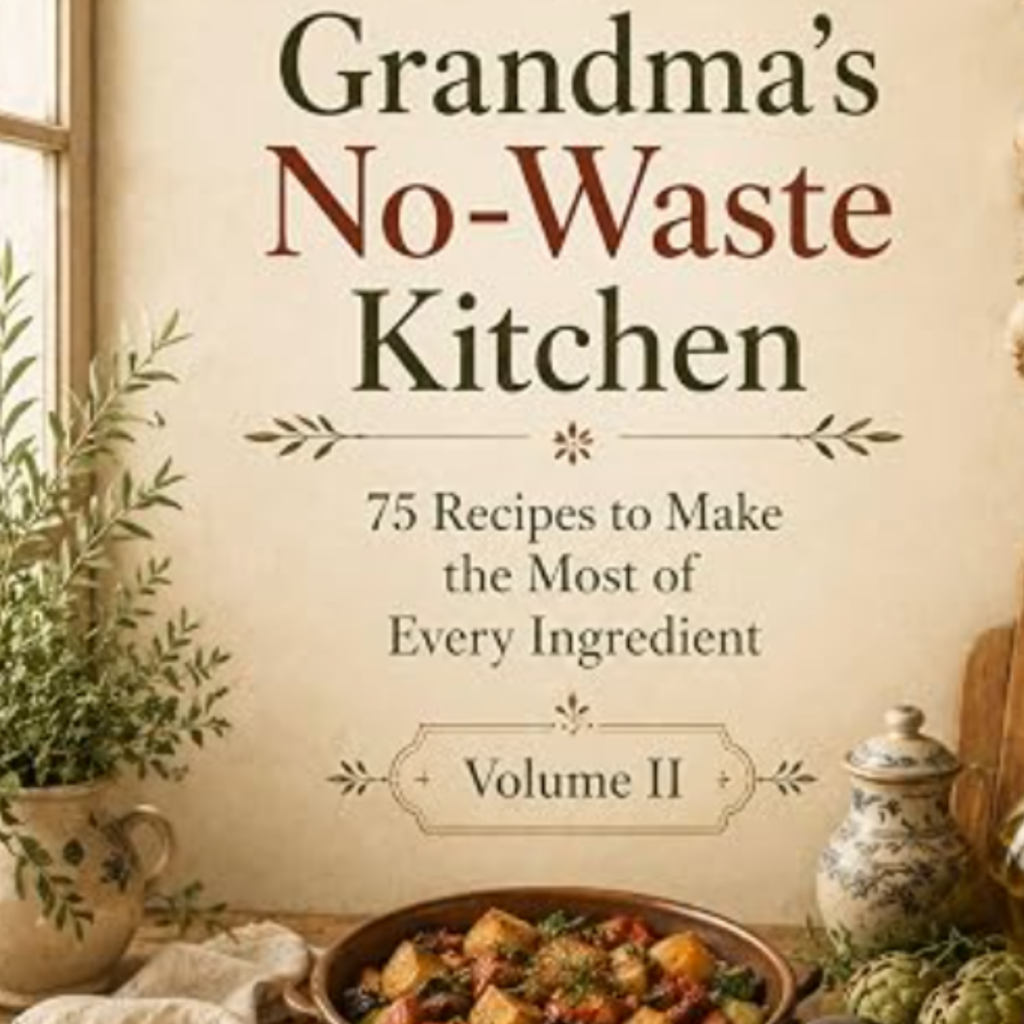
Grandma’s No-Waste Kitchen, part of The Spanish Abuela’s Kitchen collection, brings together simple, familiar recipes from everyday life, showing that humble cooking can also be delicious.
These are recipes meant for daily use, with recognizable ingredients and homemade preparations. The idea is to get more out of what we already have.
In this collection, you will find recipes to make the most of:
- Stale bread and bread crumbs.
- Leftovers from stews, broths, and cooked dishes.
- Cooked meats and fish.
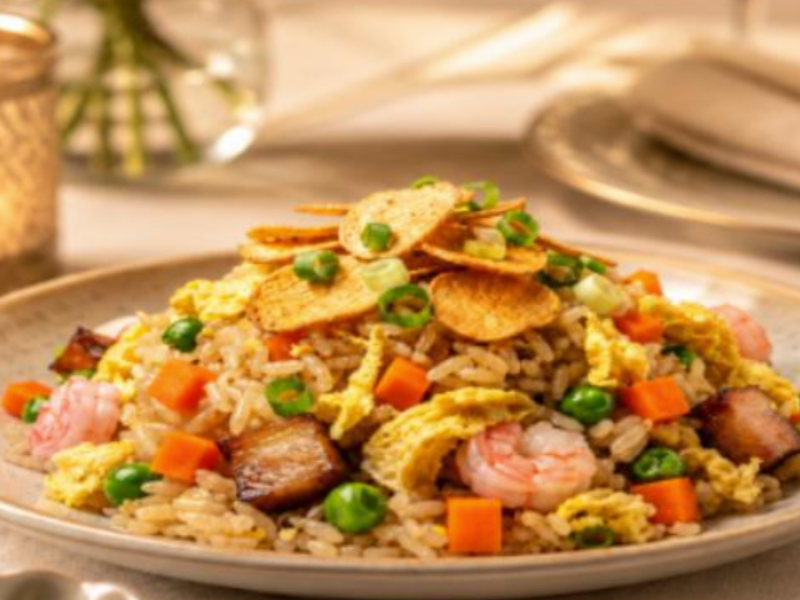
- Rice, pasta, and eggs.
- Ripe vegetables, stems, leaves, and peels.
- Dairy, yogurt, cream, and leftover cheese.
- Broths, bases, oils, and flavored salts.
- Ripe fruit and traditional desserts.
Each recipe has that grandmother’s traditional cooking spirit: simple, practical, economical, and full of flavor.
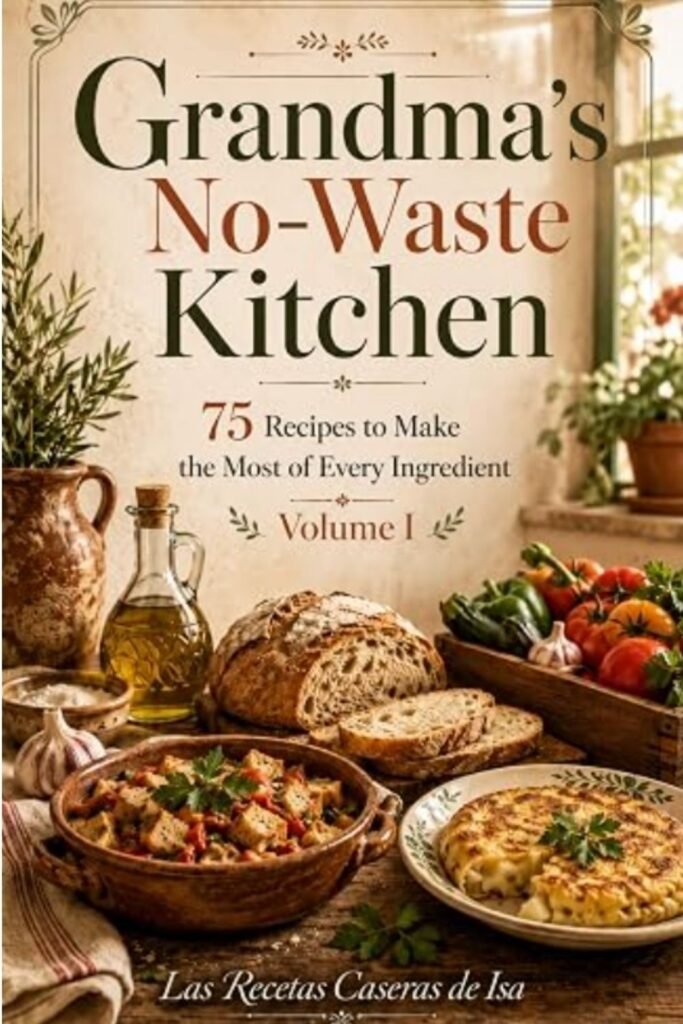
Volume I: The First 75 Recipes
Volume I of Grandma’s No-Waste Kitchen gathers recipes 1 to 75 of The Spanish Abuela’s Kitchen collection.
It’s the first part of the cookbook and is dedicated to some of the most classic ways of making use of leftovers in traditional cooking: yesterday’s bread, leftover stew, already cooked meats and fish, and more.
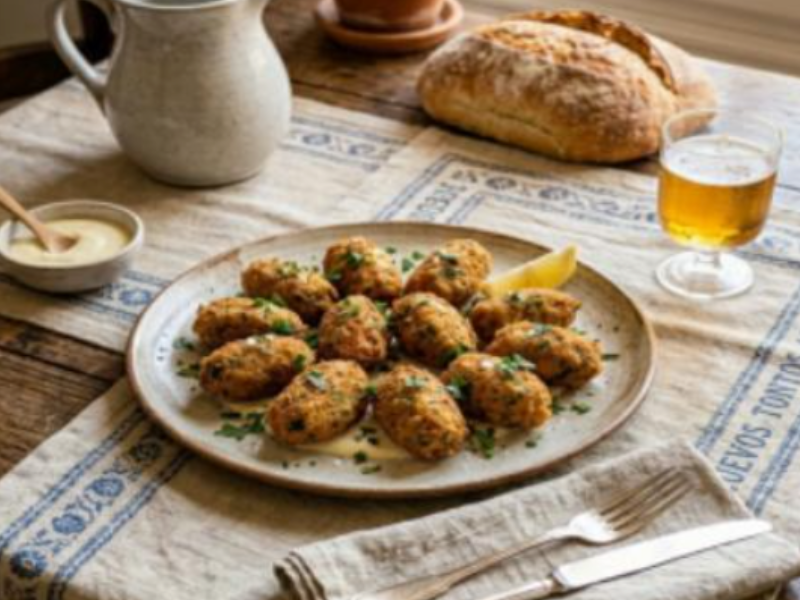
In this volume, you’ll find recipes like huevos tontos traditional Spanish bread-and-egg fritters, Castilian garlic soup, Spanish migas, Cordoban salmorejo, chickpea ropa vieja, croquettes, pringá turnovers, and many other homemade ideas so nothing goes to waste.
It’s a perfect book to start looking at your pantry in a new way and discover that some of the tastiest meals come precisely from what seemed like leftovers.
You can find it as an ebook and paperback here.
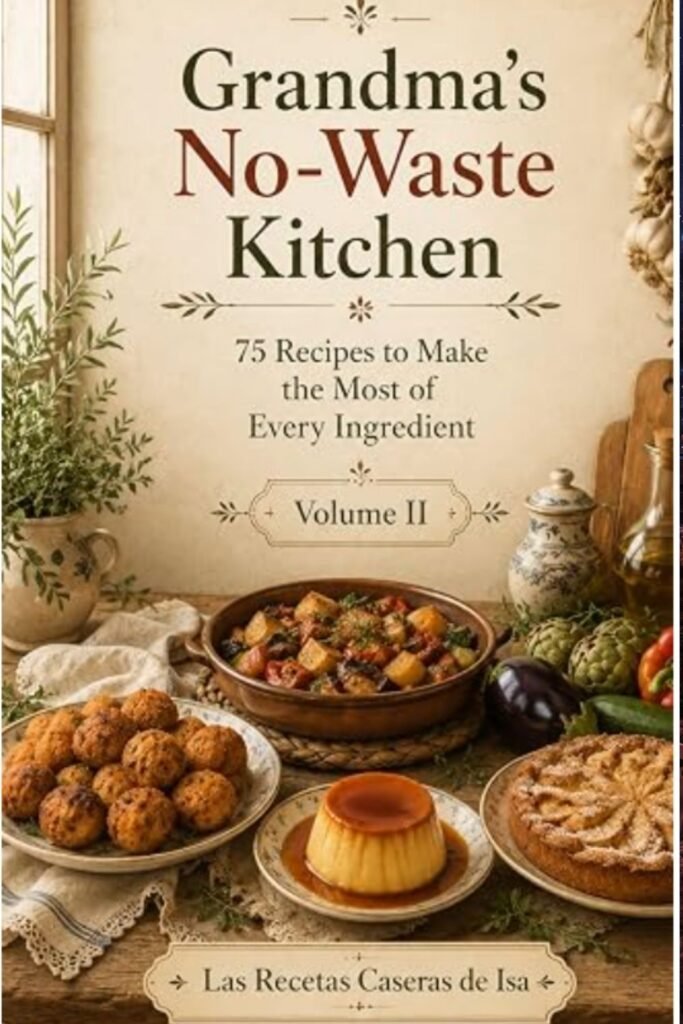
Volume II: Recipes 76 to 150
Volume II continues the collection with recipes 76 to 150.
In this second part, leftover cooking goes a step further. Here, ripe vegetables, stems, leaves, peels, dairy, cheese leftovers, broths, homemade bases, and classic desserts come into play.
This volume includes ideas for making the most of ingredients that often end up in the trash for no reason. Potato peels, vegetable leaves, Swiss chard stems, milk about to expire, cheese rinds, ripe fruit, or stale bread can turn into delicious dishes with a little imagination and a good recipe.
You’ll find traditional desserts like torrijas, fried milk, rice pudding, compotes, fruits in syrup, pears in wine, custards, and other homemade sweets that bring back memories of old-fashioned cooking.
Although this second volume continues the numbering of the first, it can be enjoyed perfectly on its own. It’s a practical way to keep expanding your home cooking with leftover ingredients.
You can find it as an ebook and in paperback here.
Why use leftover recipes?
The no-waste cooking approach has many advantages.
It helps save money on groceries, reduces food waste, and pushes us to be more creative in the kitchen. But above all, it brings us back to a way of cooking that’s more mindful and closer to tradition.
When you make the most of an ingredient, you’re not just avoiding throwing it away. You’re giving it value. You’re acknowledging the work behind every food item: the person who grew it, the person who sold it, the person who bought it, and the person who put it on the table.
Our grandmothers knew this well. That’s why they saved bread, strained stocks, stretched stews, turned leftovers into croquettes, and made desserts with whatever was at home.
That wisdom is still useful today, maybe more than ever.
Recipes to Save Money Without Giving Up Flavor
Many times, we associate saving with cutting back or giving up. But in the kitchen, it doesn’t have to be that way.
Making good use of food allows you to prepare complete, varied, and delicious meals without spending too much. Some leftover rice can turn into an omelet. A bit of roasted chicken can end up in a salad or some croquettes. Some ripe vegetables can be transformed into a cream, soup, or stew. An overripe fruit can become a compote, cake, or jam.
The key is knowing how to look at what we have and learning how to combine it.
That’s why this collection isn’t just a recipe book. It’s an invitation to cook with more calm, more intention, and more respect for food.
Traditional cooking for today’s life
Traditional recipes don’t belong only to the past; they can perfectly adapt to modern life.
Today we want to cook deliciously, save time, spend less, and waste less food. The kitchen that makes the most of ingredients meets all of this with simple and practical recipes.
There’s no need for a huge kitchen or to spend hours making complicated dishes. Most recipes come from very humble ingredients: bread, eggs, milk, vegetables, chickpeas, rice, pasta, cheese, ripe fruit, or leftovers from a stew.
The important thing is to recover that old way of seeing things: a way that didn’t see leftovers, but possibilities.
A collection to always have on hand
Grandma’s No-Waste Kitchen is designed to accompany you in your daily life.
You can consult it when you have leftover bread, when you have chickpeas from the stew, when you don’t know what to do with a ripe vegetable, when you want to make a dessert with overripe fruit, or when you need a quick dinner with leftovers from the fridge.
It’s a book to cook with, get messy, consult, and open again many times.
Choose your edition
You can start with Volume I and continue with Volume II.
Both volumes share the same idea: cook more, waste less, and enjoy classic flavors.
Because cooking with leftovers isn’t about leftover food. It’s cooking with memory, respect, and love.