10 quick and easy weeknight dinners with simple, healthy, delicious recipes. Practical ideas for eating dinner without the stress, saving time, and eating better every day.
There’s a moment in the day that almost always arrives the same way. You open the fridge, look inside for a few seconds, and feel like you have no idea where to start. You don’t feel like cooking anything complicated, and you don’t want to fall back on something you don’t actually want either. That middle ground between being tired and wanting to take care of yourself is far more common than it seems.
Over time I’ve learned that this isn’t about having a thousand recipes, or making magazine dinners every night. It’s about having simple resources, the kind you know will work even when you have no energy left. Having those options clear in your head completely changes how the end of the day feels.
When you know what you can put together in a few minutes without thinking too hard, everything gets easier. You eat better, and you also cut down that mental noise of constantly deciding. It sounds like a small thing and it makes an enormous difference.
In this post I’m giving you simple, adaptable recipes built to be repeated without wearing you out. I’ve also expanded each idea with small tricks, variations, and ways to make them even more practical.

| Dinner | Approximate time | Difficulty | Key ingredients | Best for |
|---|---|---|---|---|
| Omelet with cheese and spinach | 10 minutes | Very easy | Eggs, spinach, cheese | Days you don’t feel like cooking |
| Avocado and egg toast | 10 minutes | Very easy | Bread, avocado, egg | Quick and filling |
| Warm chicken salad | 15 minutes | Easy | Chicken, lettuce, tomato | When you’re actually hungry |
| Pasta with tomato and tuna | 15 minutes | Easy | Pasta, tuna, tomato | Comfort food |
| Quick quesadillas | 10 minutes | Very easy | Tortillas, cheese, filling | A fast craving |
| Mushroom scramble | 10 minutes | Very easy | Eggs, mushrooms, ham | A light dinner |
| Vegetable soup | 20 minutes | Easy | Assorted vegetables | Cold or exhausting days |
| Chicken wrap | 10 minutes | Very easy | Tortilla, chicken, lettuce | A practical dinner |
| Fried rice | 15 minutes | Easy | Rice, vegetables, egg | Using up leftovers |
| Yogurt with toppings | 5 minutes | Very easy | Yogurt, fruit, nuts | Days with no energy left |
Why having quick dinners ready changes your life
For a long time, dinner was a chaotic moment for me. Every day meant starting from zero, thinking about what to make, checking the ingredients, and deciding on the fly. That accumulation of small decisions wears you down more than you’d expect.
Once you build a small repertoire of easy dinners, everything shifts. You don’t need many. Five or six well-chosen ones already make an enormous difference. You stop improvising constantly and start running on a kind of autopilot that carries you through the tired days.
It also changes how you shop. You start choosing ingredients you know you’ll genuinely use. You waste less food and you lose that feeling of opening the fridge and seeing nothing usable. Little by little, everything gets more practical and more coherent.
There’s something you gain without noticing, and that’s calm. Knowing you have simple options and don’t need to overcomplicate anything takes the pressure off. Dinner stops being a chore and becomes something that fits easily into your routine.
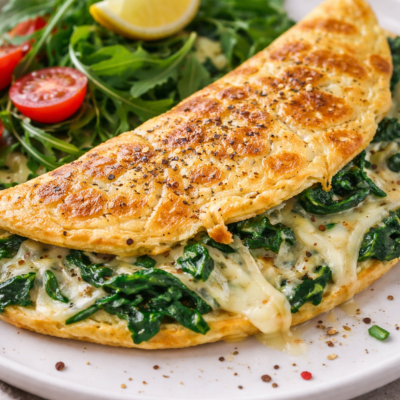
1. Juicy omelet with melted cheese and spinach
This is one of those dinners that never lets you down. It doesn’t matter what kind of day you’ve had or how hungry you are, it always works. It has that balance of speed, flavor, and staying power that makes it endlessly repeatable.
Ingredients
All you need is eggs, a handful of fresh spinach, cheese to taste, a little salt, and olive oil. They’re basic things most of us already have, which makes it even more practical.
How to make it
I start by beating the eggs with a pinch of salt. Meanwhile, in the skillet, I sauté the spinach lightly until it collapses down. You don’t need to cook it much, just enough to take the raw edge off. Then I add the beaten egg and let it set over medium heat.
Before folding the omelet over, I put the cheese in the center. That moment matters, because closing it lets the cheese melt into a lovely creamy texture. The result is a juicy omelet with a soft, flavorful inside.
Why it works so well
An omelet has something special going for it. It’s fast, it fills you up, and it takes endless variation. You can adapt it to whatever’s in the house without losing what it is. It also gets protein and vegetables onto one plate, which makes it a fairly balanced dinner.
How to make it even better
Small details make the difference. A little black pepper, a pinch of garlic powder, even some dried herbs can transform the result. You can also swap the spinach for zucchini, mushrooms, or whatever vegetable you have. You can make it with ham and cheese too.
2. Avocado and egg toast
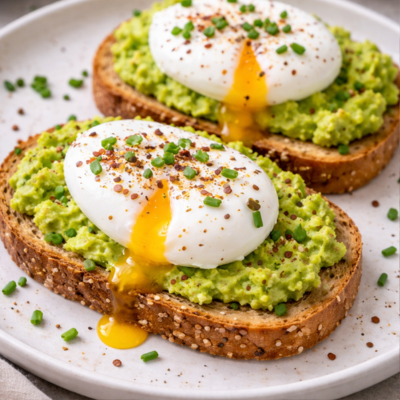
Some recipes get repeated a lot for a reason. This is one of them. It isn’t just a trend. It genuinely works day to day. Fast, filling, and very easy to adapt.
Ingredients
You need bread, ideally whole grain or something good quality, a ripe avocado, an egg, a little lemon, salt, and pepper.
How to make it
Toast the bread until it’s crisp. Meanwhile, mash the avocado in a bowl with a few drops of lemon, salt, and pepper. That bit of acidity brings out the flavor and keeps it from browning so fast.
Spread the avocado on the toast and put the egg on top. Fried, hard-boiled, or poached if you want something different. Each version changes the texture slightly, and they all work.
Why it’s a good option
It’s a complete dinner without being heavy. The avocado brings healthy fats, the egg brings protein, and the bread gives you the substance you want at the end of the day. It also comes together in almost no time.
Variations worth trying
You can add sliced tomato, seeds on top, even a little fresh cheese. Small changes like that keep you from getting tired of it. Adapting it to whatever’s in the house is part of the appeal.
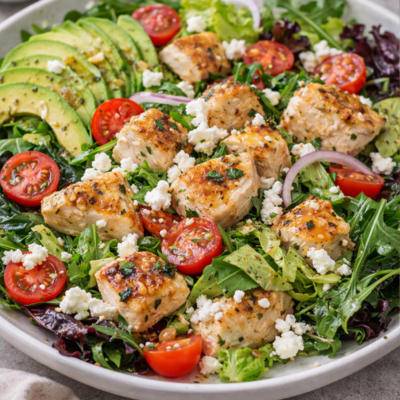
3. Warm chicken salad
This is the classic dinner that looks light and actually fills you up. It’s perfect for the days when you’re genuinely hungry but don’t want anything heavy.
Ingredients
Chicken breast, a base of greens, tomato, corn, and olive oil. Simple things that go well together.
How to make it
I cook the chicken in a skillet with a little salt. Once it’s done, I slice it into strips or chunks. Meanwhile I put the salad base together with the vegetables.
The key is adding the chicken while it’s still hot, right on top of the salad. That contrast makes the whole plate much more satisfying. Then I dress it with olive oil and adjust the salt if it needs it.
What makes it special
It isn’t just a cold salad. That warm element makes it far more comforting. It also puts protein and vegetables together very simply, which makes it a nicely balanced dinner.
How to adapt it
Add cheese, add nuts, or swap the chicken for whatever protein you have. It’s a very flexible recipe that adjusts easily to what’s already in your kitchen.
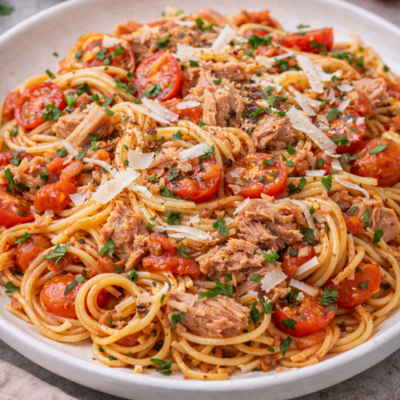
4. Quick pasta with tomato and tuna
Some days the only thing you want is something hot, simple, and comforting. Pasta has that ability to make you feel better almost immediately, and made simply it becomes a perfect weeknight dinner.
Ingredients
You need pasta, canned tuna, crushed tomatoes, a little garlic, and olive oil. Pantry staples that let you solve dinner with no complications.
How to make it
While the pasta cooks in salted water, I make the sauce. A little olive oil in a skillet, garlic softened lightly, then the crushed tomatoes, and I let it cook a few minutes, just long enough to lose the sharp edge and build flavor.
When the pasta is ready, I toss it with the sauce and add the drained tuna. Stir it well so everything comes together and let it rest a couple of minutes before serving.
Why it always works
This one doesn’t fail because it’s simple, filling, and forgiving. You don’t need technique or special ingredients, and the result is still very good. It’s one of those dinners you want to repeat without getting sick of it.
How to improve it without any effort
A little oregano or dried basil changes the whole dish. You can also add olives or a bit of grated cheese if you want more intensity.
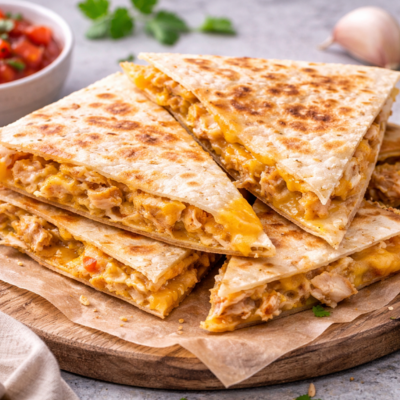
5. Quick quesadillas
This is one of those dinners you put together almost without thinking, and it always lands. It has that appealing, comforting quality without asking anything of you.
Ingredients
Flour tortillas, cheese that melts well, and a filling: ham, chicken, or vegetables. You don’t need much more.
How to make it
I put the filling on the tortilla, fold it in half, and set it in a skillet over medium heat. I leave it long enough for the cheese to melt and the outside to brown a little.
What you get is crisp on the outside, creamy inside, and ready in a few minutes.
What makes it so practical
It’s fast and it’s flexible. Adapt it to whatever’s in the fridge without any trouble. It’s also perfect when you want something different without getting into a long process.
Small details that make a difference
Serving it with a sauce, even a simple one, completely changes the experience. A yogurt sauce, a little guacamole, or plain crushed tomato all work.
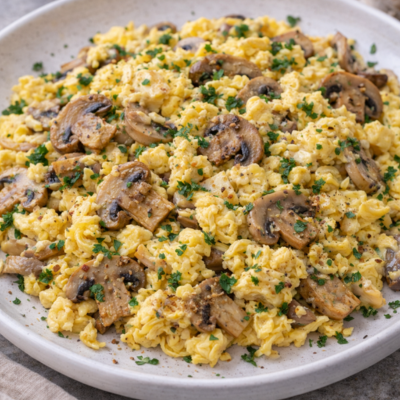
6. Mushroom and ham scramble
When you want a light dinner with real flavor, this scramble is an excellent option. It has that balance of simplicity and payoff that makes you want to make it again.
Ingredients
Eggs, mushrooms, ham, and a bit of garlic. Easy to find and they go together beautifully.
How to make it
I start by sautéing the mushrooms with a little garlic until they release their water and brown lightly. Then I add the ham and let it come together with the rest.
Finally I add the beaten eggs and stir gently until they set. I like leaving the scramble a little loose, not overcooked, because it’s much better that way.
Why it’s a good dinner
It’s light but satisfying. It doesn’t leave you feeling heavy and it still takes the hunger away. It also comes together in almost no time.
How to adapt it
Add other vegetables, or swap the ham for something else you have on hand. It’s a very easy base to modify however you feel like.
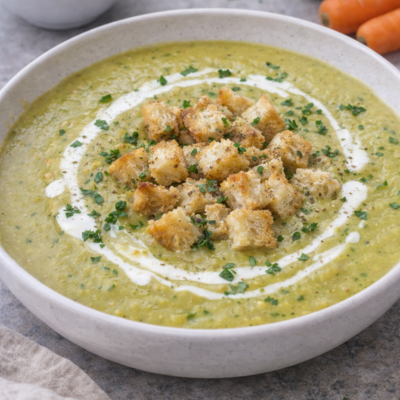
7. Quick vegetable soup
Some days you need something soft, hot, and comforting that asks nothing of you. A puréed vegetable soup does exactly that.
Ingredients
Use zucchini, carrot, leek, or whatever vegetables you have. All you need to add is water or stock and a little salt.
How to make it
I cook the chopped vegetables until they’re soft, then blend them until the texture is creamy. I adjust the salt and finish with a drizzle of olive oil.
What makes it special
It’s a very simple dinner and a very comforting one. It has that softness you want especially on tired days, or when nothing heavy appeals.
How to improve it
Add a little cheese or serve it with toast. Small details that round the whole thing out.
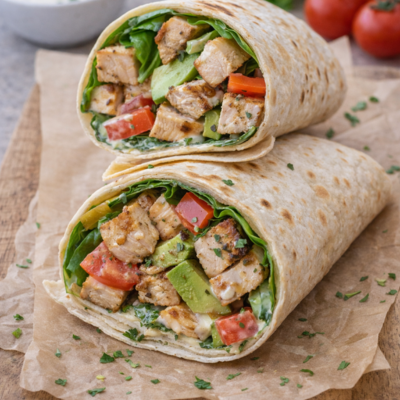
8. Chicken wrap
A wrap is one of those dinners that looks like more work than it actually is. Practical, fast, and very adaptable.
Ingredients
A flour tortilla, chicken, lettuce, and some kind of sauce. That’s enough to build a complete dinner.
How to make it
I lay the ingredients on the tortilla, roll it carefully, and it’s done. There’s nothing more to it.
Why it’s so useful
It’s a perfect option for days when you don’t want to cook much. It also travels well, so you can even make it ahead.
How to give it more flavor
The sauce is usually where it’s won or lost. A good dressing or a simple sauce can make a huge difference to the final result.
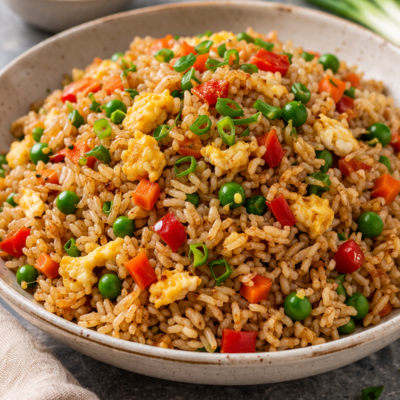
9. Fried rice
This is one of the best ways to use up whatever is in the fridge. Practical and extremely versatile.
Ingredients
Already-cooked rice, vegetables, an egg, and a little soy sauce. Basics that adapt to almost anything.
How to make it
I sauté the vegetables in a skillet until they’re done. I add the rice and mix it in well. Then the egg goes in and I stir until it’s incorporated. I finish with a splash of soy sauce.
Why it works so well
It’s fast, it’s filling, and it lets you use up leftovers. You can also adapt it completely to whatever you have.
How to improve it
A little ginger or onion gives it a different edge without complicating the recipe.
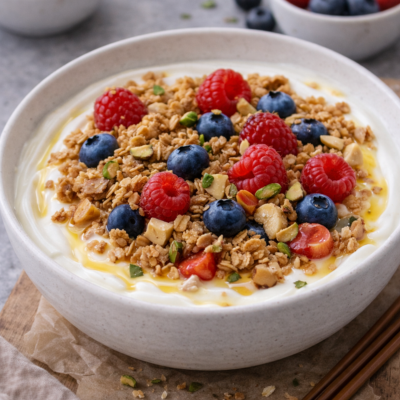
10. Yogurt with toppings
It might look like too simple a dinner, and some days it’s exactly what you need. You don’t always need something elaborate to eat well.
Ingredients
Plain yogurt, fruit, and nuts. That’s enough to build a genuinely complete combination.
How to make it
Mix the ingredients together. It takes no time and no effort.
When to choose this one
It’s perfect for the days when you have no energy or don’t feel like cooking. Even so, it can be a balanced dinner if you choose the ingredients well.
How to make it more interesting
Change the fruit, add seeds, or switch the type of yogurt. Small changes that keep you from getting bored of it.
How to organize your dinners without deciding every day
One of the biggest changes you can make isn’t in the recipes. It’s in how you organize. The difference between someone who always hesitates over dinner and someone who has it handled usually isn’t kitchen skill. It’s structure.
When you decide from scratch every night, you burn mental energy for nothing. That feeling of not knowing what to do doesn’t come from a shortage of ideas. It comes from accumulated tiredness. That’s why having a base, even a flexible one, matters so much.
In my case I started organizing dinners very simply. It isn’t a fixed or rigid menu, more a kind of guide that orients me. I know some days I want something with eggs, others something lighter like a salad, and others I need something hot and comforting.
That structure lets me move around inside a comfortable margin. I don’t have to think from zero, and I don’t feel boxed in either. It’s a way of simplifying without losing freedom.
Over time this small change becomes a habit. You stop hesitating, you stop freezing up, and without noticing it you eat better almost every night.
A shopping list built for quick dinners
Having ideas is great, and if you don’t have the right ingredients at home, everything gets complicated. That’s why the shopping list is a key part of all this.
You don’t need special products or hard-to-find ingredients. If anything, the simpler your base, the better. What matters is having versatile things, the kind you can use across several recipes without effort.
My kitchen never runs out of easy proteins like eggs, tuna, or some chicken. They’re the foundation of a lot of quick dinners and they let you improvise without any trouble. I also keep vegetables that adapt to everything, like spinach, tomato, and zucchini. They need almost no preparation and they go with nearly any dish.
Basics like bread, rice, and pasta matter too. They’re what helps you round out a dinner when you need something more substantial. Add a few extras like olive oil, spices, and a lemon, and you have a very practical setup.
When you shop with this in mind, everything gets easier. You don’t have to think as much, because you already have what you need to solve dinner without stress.
How to save time in the kitchen without noticing
We often assume we need more time to cook better, when what we actually need is to make it easier. There are small habits that save you an enormous amount of time without you noticing.
One of the most important is cooking extra. When you make chicken, rice, or any base, making a little more costs nothing and solves another meal. That small gesture becomes a huge help over the following days.
How you prep your ingredients matters a lot too. Having some vegetables already washed or chopped makes cooking much faster. Sometimes we don’t cook out of inertia rather than a lack of time, and cutting out that first step changes everything.
Another important point is simplifying without guilt. Not everything has to be from scratch. Using some pre-prepared ingredients, within reason, is also part of a practical kitchen. What counts is the whole, not every single detail.
How to make quick dinners healthier without overcomplicating it
Eating well doesn’t have to be complicated or restrictive. If anything, the simpler you make it, the easier it is to keep up over time.
Small changes make a big difference. Using olive oil instead of other fats, adding vegetables whenever you can, or gradually cutting back on the more processed products are adjustments that slot in easily.
It also matters to listen to what you actually want. If you force yourself to eat something you don’t enjoy, you’re more likely to go looking for something else afterward. The trick is finding the balance between what makes you feel good and what you enjoy.
When you simplify how you eat, the whole thing becomes sustainable. You don’t need to do it perfectly. You just need to do it a little better each day.
Extra quick dinner ideas so you don’t get bored
Even with your core dinners in place, it’s normal to need some variety at some point. You don’t have to reinvent everything, just introduce small changes or new combinations.
There are plenty of simple options you can add without any hassle. Hummus with bread and vegetables makes a light, different dinner. A chickpea salad fills you up with no effort. A hot sandwich or some sautéed vegetables are also fast and surprisingly good.
The trick is not to overwhelm yourself with too many ideas. Having a few clear options and rotating them usually works better than constantly trying new things.
How to adapt these dinners if you’re feeding a family
When you cook for more people it’s easy to assume everything gets harder, and it doesn’t have to. Most of these dinners can be adapted without changing the base much at all.
The most practical approach is making one dish and adjusting small details. Increase the quantity, swap an ingredient, or add sides depending on what each person needs. You don’t have to cook separate meals.
Organizing it that way saves you time and keeps cooking from becoming a burden. Keeping things simple matters even more when there are more people in the house.
How to stay motivated even on hard days
There will be days when you don’t feel like doing anything, and that’s completely normal. The point isn’t to avoid those days. It’s to make them easier.
Having simple options ready, ingredients prepped, or recipes that require no effort makes the whole thing manageable. You don’t need motivation if you lower the difficulty.
Lowering your standards helps too. Not every dinner has to be perfect or elaborate. Sometimes the best thing you can do is something simple and sufficient.
Consistency doesn’t come from doing everything right. It comes from making it easy.
Food storage and organizing your fridge
Knowing how to store food properly is one of those things that seems small and makes a big difference. It extends the life of your ingredients and it makes organizing far easier.
Keeping food in airtight containers holds it in good condition and stops smells spreading. Having an organized fridge matters more than you’d think, too. When you can clearly see what you have, you decide faster and you waste less.
Some foods hold up for several days without any problem, like soups or cooked chicken. Others, like rice, are better eaten sooner. Knowing these details lets you get more out of what you cook.
Freezing is a very useful tool as well. Having something ready in the freezer can rescue a dinner with no effort at all.
Common mistakes that make dinner harder than it needs to be
We complicate things without realizing it. One of the most common mistakes is wanting to make elaborate recipes on a weeknight. That isn’t sustainable.
Another is refusing to repeat dishes. Thinking you need constant variety generates more stress than it’s worth. Repeating, with small changes, is perfectly valid.
Not using your leftovers, or not keeping basic ingredients on hand, also makes everything harder. Small details that simplify the whole routine once you fix them.
What to eat depending on the kind of day you’ve had
Not every day is the same, and your dinners don’t have to be either. Adapting to how you feel is a very practical way to decide.
On days when you’re hungrier, a full salad or a plate of pasta is a good call. If you’re tired, something simple like an omelet or toast works better. When you have no energy at all, yogurt with toppings can be enough.
Choosing based on where you actually are helps you avoid forcing it, and keeps your relationship with food more natural.
Frequently asked questions about quick and easy dinners
What can I make for a quick, healthy dinner?
When you need something quick and healthy, the best approach is combining simple ingredients you already have at home. Eggs, chicken, tuna, and yogurt make good bases because they bring protein and they fill you up.
From there you can add a vegetable or a base like bread, rice, or pasta. An omelet with spinach, avocado toast with an egg, or a chicken salad are all fast options that work well on a weeknight.
The key is not overcomplicating it and choosing simple combinations you can repeat without effort.
What are the best dinners when I have no time?
When you’re short on time, the most important thing is cutting steps. The simpler the recipe, the more likely you are to actually make it.
The best options are usually dishes under ten minutes: scrambles, toast, wraps, or quesadillas. You can also fall back on things that barely need cooking, like a full salad or yogurt with fruit and nuts.
Having basic ingredients at home makes the difference, because it lets you solve dinner without thinking too hard.
What should I eat when I’m exhausted?
On the days when you have no energy, the best move is choosing something easy that still leaves you satisfied. You don’t have to cook much to eat well.
An omelet, avocado toast, or a simple wrap can be plenty. If the tiredness is worse than that, even something as basic as yogurt with fruit is a valid option.
What matters is not skipping dinner and not making it harder than it has to be. Choosing something easy is already a step.
Is it bad to eat the same dinner every night?
It isn’t bad to repeat dinners as long as the meals are balanced. Repeating certain dinners can actually help you keep a simpler routine and avoid the stress of deciding every day.
You can vary small details like the spices, the sides, or the secondary ingredients so you don’t get bored. That kind of variety within a repeated base tends to be more sustainable than trying to make something different every night.
Which ingredients should I always keep on hand for quick dinners?
Having a base of versatile ingredients is essential for making quick dinners without effort. Eggs, tuna, chicken, and cheese are all useful because they go with almost anything.
It’s also worth keeping easy vegetables like spinach, tomato, and zucchini, plus basics like bread, rice, and pasta. With those you can put together a lot of dinners without buying anything specific each day.
How do I make quick dinners healthier?
Making quick dinners healthier doesn’t mean complicating them. It means small adjustments. Adding vegetables, using olive oil, and cutting back on heavily processed products are simple changes that make a difference.
Choosing simple preparations helps too. The fewer unnecessary ingredients a recipe has, the easier it is for it to be balanced.
The point is finding a level you can actually keep up over time.
Can I make dinners ahead for several days?
Yes, and it’s one of the best ways to save time. You can cook extra and store portions for the following days.
Dishes like rice, pasta, chicken, or vegetable soups keep well in the fridge for several days if you store them properly. You can also freeze some preparations to have them ready when you need them.
That lets you eat well even on the most difficult days.
What should I eat if I want something light?
If you want a light dinner, go for gentle dishes that still won’t leave you hungry. Vegetable soups, scrambles, and full salads are all good options.
This isn’t about eating less. It’s about choosing food that doesn’t sit heavy. You’ll sleep better and avoid that uncomfortable feeling at night.
How do I keep from getting bored of quick dinners?
The key isn’t piling on new recipes. It’s varying what you do with one base. Changing ingredients, adding spices, or trying different combinations can make the same dinner feel new.
It also helps to have several options you genuinely like and rotate through them. You don’t need enormous variety, just enough alternatives to avoid monotony.
In the end, none of this is about cooking better. It’s about making it easier. When you simplify, when you have clear options, and when you lower the bar, everything changes.
Dinner stops being a heavy obligation and starts fitting naturally into your day. You don’t need to do it perfectly. You just need to make it possible.
That difference is what makes something last.
If you’ve made it this far, I’d like to know how it goes for you. What do you usually make for dinner, whether deciding is hard for you, or whether you already have your go-to recipes.
Sharing ideas is part of making this easier too.