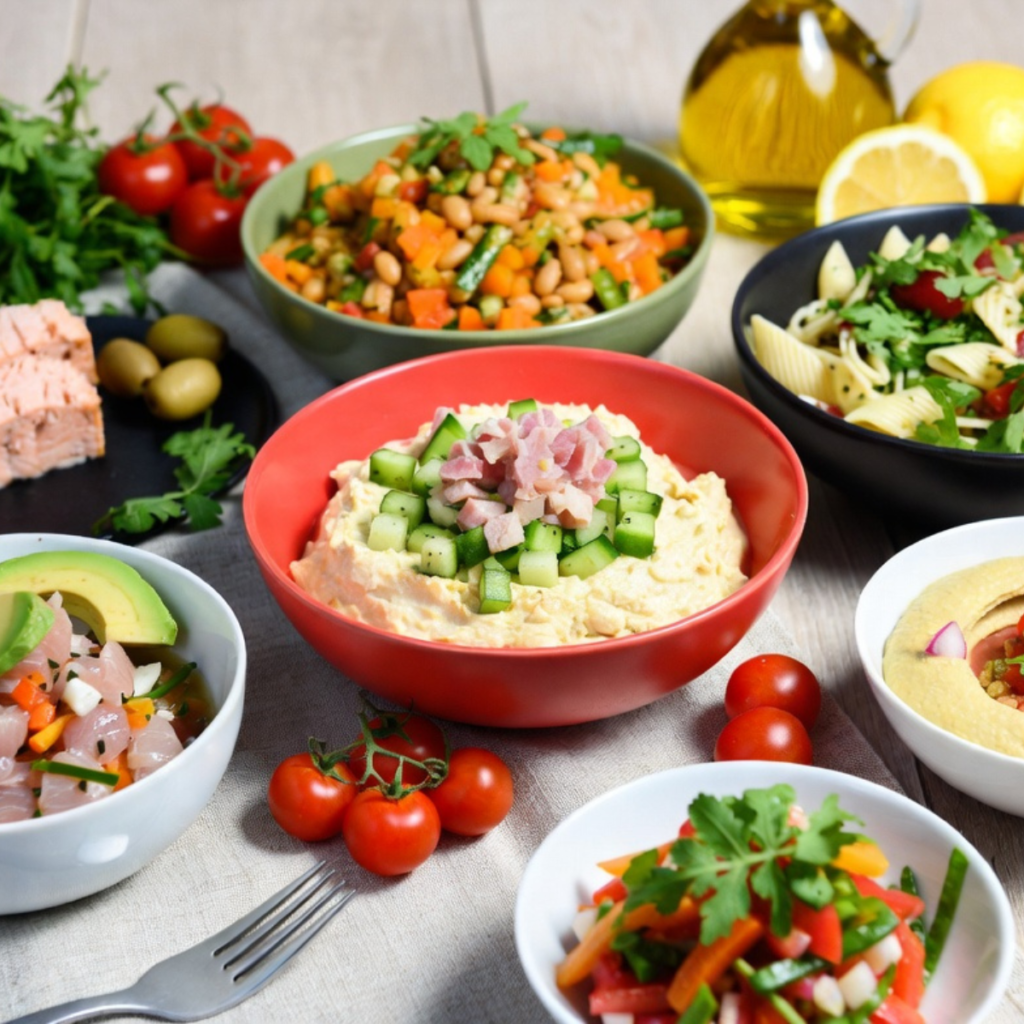
Today I want to talk a bit about how we can cut down on food waste, with practical strategies, delicious recipes and homemade tricks. I think it’s worth revisiting now and then because, even with the best intentions and knowing perfectly well that we shouldn’t throw food away, by the end of the day or the week something always ends up in the trash. At least, it happens to me more than I’d like.
The change starts in your kitchen
We often buy too much food, whether because we want to try new recipes, or because we think we’ll cook at home more, or because we’re at the store anyway so we might as well fill the cart… Then the days go by, you haven’t cooked more or tried anything new, and you discover part of the groceries has spoiled, so it goes in the trash. It’s happened to me plenty of times. The problem is that it isn’t only food we’re throwing away, it’s resources and time too. So I decided to build more conscious habits in my kitchen, and now I feel like I cook with purpose, save money and do my small part for the planet.
Why reducing food waste changes things
Throwing away less doesn’t only help the planet, it has real benefits for your wallet and even for how you feel.
- You save money, because using what you buy means you spend less overall.
- You’re kinder to the environment: less waste means fewer emissions, since food rotting in landfills releases methane.
- You gain time: planning meals and shopping keeps you from making impulse purchases.
7 powerful steps to reduce food waste at home
1. Plan your meals
Before heading to the store, check what you already have in the pantry and think about what you could make this week with it. This keeps you from buying things you won’t end up using, and it simplifies your shopping.
2. Make a smart shopping list
A clear, concise list helps you prioritize what you actually need. Watch out for deals that look great but end up in the trash.
3. Buy only what you’ll use
Sometimes what saves you money isn’t buying things on sale, it’s buying what fits in your fridge and what you’ll genuinely use. Instead of one big shop a month or every two weeks, shop more often in amounts you’ll actually get through.
4. Store food properly
Keep vegetables in the coldest part of the fridge and delicate items in airtight containers. Label things and use the FIFO system, first in, first out, so nothing gets forgotten at the back of the fridge. A fridge thermometer is a cheap addition too, since a fridge running warmer than 40°F shortens the life of everything in it.
5. Transform your leftovers creatively
Leftover bread can become a pudding, a carrot on its last legs can turn into a delicious soup… You’ve probably already read my stew croquettes recipe, a real tribute to using things up.
6. Save what’s left over
The freezer is your greatest ally. You can freeze leftovers in portions, freeze fruit that’s about to turn for smoothies, freeze bread in slices ready for toasting, or freeze broths and sauces. That way you always have something ready in reserve. Cool leftovers quickly and get them into the fridge or freezer within a couple of hours, label everything with the date, and aim to use frozen meals within about three months for the best texture and flavor.
7. Share or compost what you can’t use
If you know you won’t get through something in time, consider giving it to a neighbor or donating it. And if it’s past that point, composting (if you can) returns the nutrients to the soil instead of sending it to a landfill.
Using up leftovers: crispy chickpeas as an example
Talking about it is fine, but putting it into practice is better, so here’s a quick, delicious recipe for those cooked chickpeas that sometimes get left over after making a stew.
Ingredients
- 1 cup cooked chickpeas (canned is fine, well drained)
- 1 tablespoon extra virgin olive oil
- Spices to taste: paprika, garlic powder, cumin, pepper…
Method
- Preheat the oven to 400°F.
- Toss the chickpeas with the oil and spices in a bowl. Pat them thoroughly dry first, since that’s what makes them crisp up.
- Spread them on a parchment lined baking sheet.
- Bake for 20 to 25 minutes, or until golden and crunchy.
They’re perfect as a healthy snack, a salad topping, or something to nibble on. More proof that with a bit of creativity, nothing has to be thrown away.
Extra strategies for a zero waste kitchen
- Save the water from cooking vegetables to make soups or sauces.
- Make broth from clean carrot, onion or leek trimmings.
- Reuse coffee grounds as a natural scrub or for your plants’ soil.
- Store chopped garlic and onion in oil in ice cube trays, ready for your next sofrito. One important caveat: garlic in oil must go straight into the freezer and stay frozen, since garlic stored in oil at room temperature carries a real risk of botulism. Drop the cubes straight into the hot pan rather than thawing them on the counter.
How to store food and extend its life
- Fruit: refrigerate it once ripe, so it lasts a little longer. As a last resort, freeze it.
- Bread: freeze it in slices and toast it as you need it.
- Leafy greens: wrap them in a paper towel inside a bag or container so they last longer.
- Cheese: keep it in an airtight container, which keeps it from drying out and losing aroma.
Frequently asked questions about food waste
Which foods get wasted most at home?
I’d say bread, fruit, vegetables and dairy are the ones that most often end up in the trash. That said, I think they’re also the easiest ones to make use of.
Can you freeze every kind of food?
Not everything. Tender leafy greens lose their texture, though you can still freeze them for soups or purées. Things like raw salad vegetables, cream based sauces and boiled eggs don’t freeze well either.
Do you really save money by reducing waste?
Yes. Believe me, when you use everything you buy, you discover new recipes you can make with what’s already in the house and you go to the store less. What better way to save?
What do I do if I cook too much?
Divide it into portions and freeze whatever you won’t eat in the next few days, or turn the dish into something else. There are plenty of leftover recipes you can use.
Reducing food waste isn’t about doing everything perfectly, it’s about taking small, simple, consistent steps. Every time you use something up, you’re not only saving money and looking after your household, you’re also sending a message of respect for the planet.
Next time you see an overripe piece of fruit, think of it as a sweet smoothie waiting to happen. Or that stale bread, which still holds the magic of becoming irresistible French toast.
And now I’d love to hear from you:
- What’s your favorite trick for using up leftovers?
- Have you tried a leftover recipe that genuinely surprised you?
Leave it in the comments and share this post with someone who’d also like to live a little more consciously and deliciously.