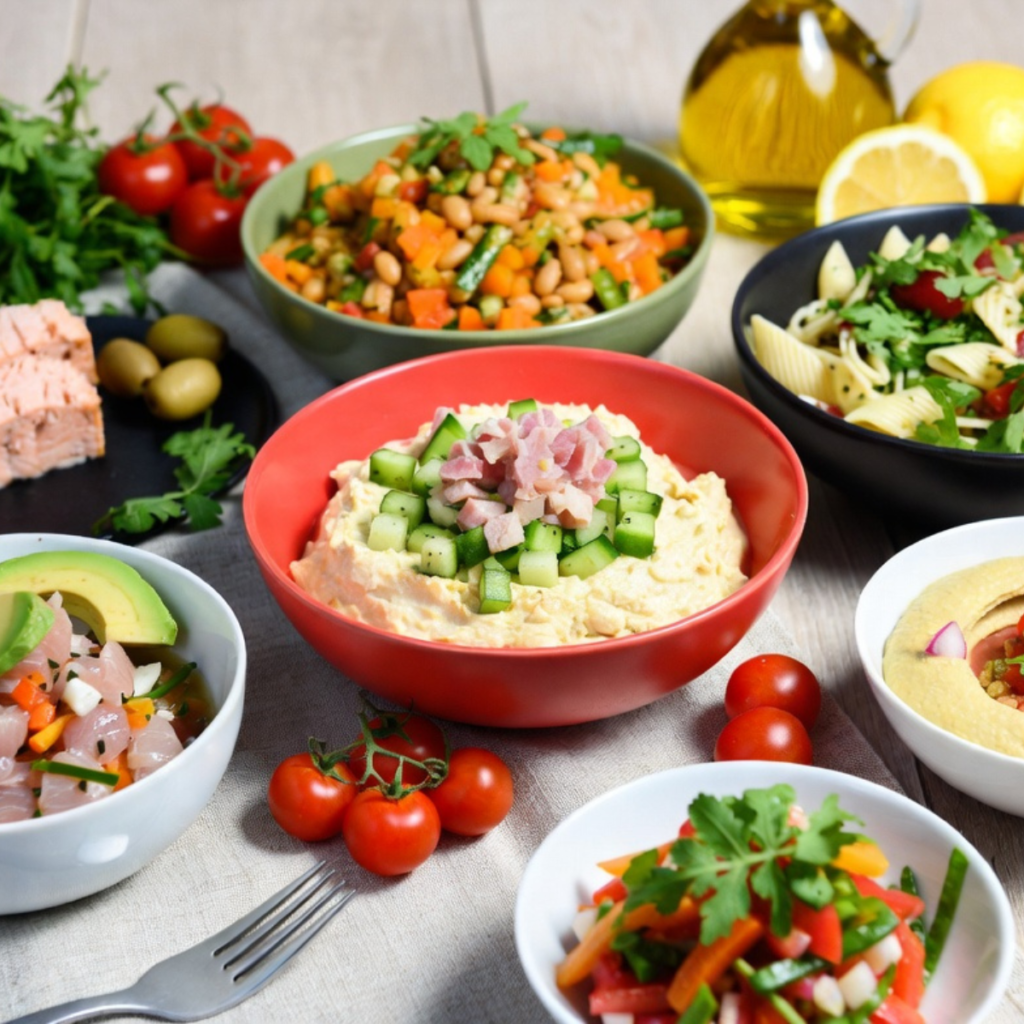
Discover the benefits of cooking with seasonal produce, how to get the most out of it, and an easy recipe with fresh ingredients straight from the field to your table. Learn how to store it all and reconnect with natural cooking.
Every time the season turns, I feel a small thrill. I love watching the colors at the market change, watching the fruit and vegetables shift, and watching my own kitchen fall in step with the ground without my really noticing. That’s the part I like best about cooking seasonally. You follow nature’s timing and take the best of whatever it has on offer right now. The flavors are stronger, the smells are real, and the food is simply better.
Why cooking with seasonal produce changes everything
Cooking with seasonal produce means letting nature set the pace in your kitchen, and once you do it, everything shifts: the flavor, the aroma, even the way you enjoy eating.
A tomato that ripened in the August sun tastes like summer, like open country, like long days. A winter tomato, however pretty it looks, has none of that force and none of that smell. The same goes for oranges in January or squash in the fall. Each one has its moment and its own kind of magic.
There’s also something lovely about following the rhythms of the land. It reminds you that food doesn’t originate on a supermarket shelf, it comes out of the ground, tended by hands that understand patience. Eating seasonally is a simple way to reconnect with that, and to start cooking with intention again.
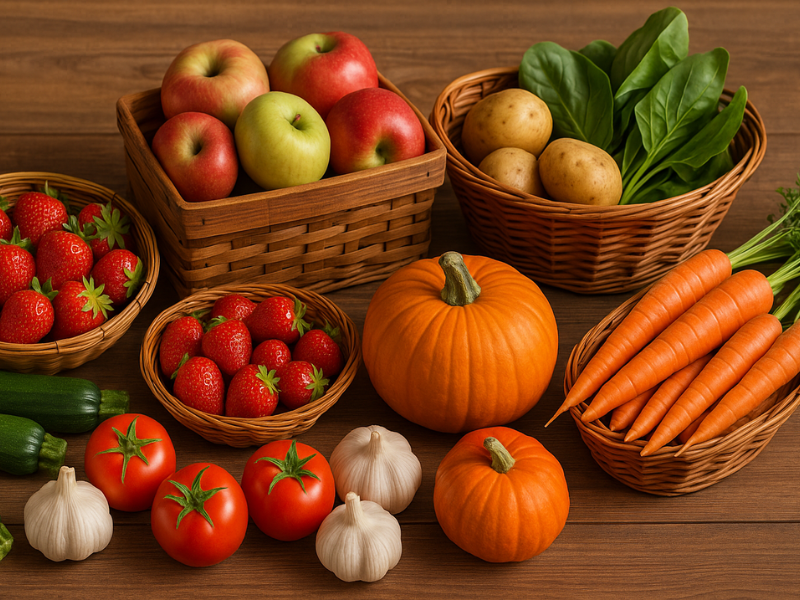
The benefits of eating seasonally
More flavor and freshness
When food is at its moment, it doesn’t need additives or long trips to be perfect. Seasonal produce reaches your table with its real flavor, juicier, more tender, and with a color that makes you want to cook.
More nutrients
Fruit and vegetables picked at the right moment hold onto their vitamins and minerals better. They’re full of energy, which is exactly what your body wants at each point in the year.
More sustainability
Cooking seasonally is also a way of looking after the planet. The food travels less, less of it gets wasted, and you’re supporting local growers. It’s a straightforward way to be more conscious without making life complicated.
More savings
When there’s abundance, prices drop. That’s why seasonal produce tends to be cheaper and better at the same time. It’s a combination that always wins.
More connection to the natural world
Maybe the most important one: it gives you back that link to the land, to natural rhythms, and to a slower, more real way of eating.
What counts as seasonal produce
Seasonal produce is what grows and gets harvested naturally at each point in the year. It isn’t forced, and it isn’t held in cold storage for months. It reaches your table exactly when it should. Every season has its own, and knowing them helps you plan meals that taste better, cost less, and sit more comfortably with the climate.
Seasonal produce, season by season
Spring
Spring is the garden waking up. The colors get brighter and the flavors turn fresh.
Vegetables: asparagus, artichokes, peas, fava beans, lettuces, radishes, spring onions, ramps.
Fruit: strawberries, rhubarb, early cherries, late citrus.
Seafood: halibut, cod, trout.
Summer
Summer smells like ripe tomatoes, sweet fruit, and meals you can put together with almost no cooking at all.
Vegetables: tomatoes, corn, cucumbers, eggplant, peppers, zucchini, green beans.
Fruit: melon, watermelon, peaches, plums, figs, blueberries, raspberries.
Seafood: wild salmon, mackerel, sardines, tuna.
Fall
Fall brings calm, earth colors, and food that comforts. This is when the soups start, and the roasts, and the meals that fill the house with a smell.
Vegetables: winter squash, sweet potatoes, chard, mushrooms, cauliflower, brussels sprouts.
Fruit: apples, pears, grapes, pomegranate, cranberries, persimmon.
Seafood: sea bass, snapper, mussels.
Winter
Winter asks for food that warms and fills. It’s the season of soups, braises, and deeper flavors.
Vegetables: cabbage, kale, leeks, broccoli, potatoes, carrots, parsnips.
Fruit: oranges, mandarins, grapefruit, lemons, kiwi.
Seafood: cod, haddock, monkfish, oysters.
How to get the most out of seasonal produce
Plan your menu
Take some time once a week to see what’s at its best, then build your meals around that. You’ll use ingredients better and throw less away.
Buy local
A farmers market or a neighborhood store is one of the best ways to eat well. The produce is usually fresher and better tasting, and you’re supporting small growers.
Freeze what’s left over
If you spot fruit or vegetables at their peak and cheap, buy a little extra and freeze it. It’s the best way to have quality ingredients all year.
Cook in batches
When you’re already cooking, make more and store it in portions. That way you have food ready for the days you’re short on time, and you avoid falling back on fast, less healthy options.
Recipe: seasonal vegetable sauté with fried eggs and crusty bread
I love this recipe because it works in any season. It’s quick, it’s healthy, it’s full of color, and it goes with everything.
Ingredients (serves 2)
- 1 zucchini
- 1 carrot
- 1 red bell pepper
- 1 small onion
- A handful of fresh spinach
- A drizzle of extra virgin olive oil
- Salt and pepper to taste
- 2 eggs
- Toasted or crusty bread to serve
Step by step
- Wash all the vegetables well and cut them into pieces or thin strips.
- Heat a little oil in a skillet and cook the onion and pepper until soft.
- Add the carrot and zucchini and sauté a few minutes more.
- Fold the spinach in at the very end, just long enough to wilt.
- Season with salt, pepper, and a little oregano or thyme if you like.
- In a separate pan, fry the eggs.
- Serve the vegetables with an egg on top and crusty bread alongside.
It’s a simple plate and it’s full of life. Every season lets you swap the ingredients out. In fall you can use squash or mushrooms, in spring peas or artichokes.
How to store seasonal produce
Knowing how to store food properly is what keeps you from wasting it, and it lets you enjoy the flavor for longer.
Fruit and vegetables
Keep fruit somewhere cool and well ventilated, and don’t mix it in with vegetables, because some fruit releases gases that speed up ripening. Leafy greens like spinach and lettuce keep better in the fridge in perforated bags. If something starts to turn, don’t throw it out. Make a compote, a soup, or a purée.
Fish and meat
Fresh fish is best eaten within a day or two, or frozen right away. Meat keeps well in the fridge, but if you aren’t going to use it soon, freeze it in portions.
Beans and grains
Store them in airtight containers somewhere dry and cool. The more recently dried your beans are, the better they’ll cook and the more tender they’ll come out.
Eating seasonally is also cooking with feeling
There’s something particular about cooking with the seasons. It teaches you to improvise, to adapt, and to enjoy the fact that things keep changing.
When fall arrives and the squash shows up, or when summer comes and the tomatoes smell like sun, you realize that a kitchen has seasons too, the same way a life does. Cooking this way isn’t only healthier or more sustainable. It makes peace with the everyday. Each plate becomes a small tribute to what the ground is offering and to the moment you happen to be in.
Mistakes worth avoiding
- Buying out of season purely out of habit.
- Refrigerating fruit that doesn’t need it, which costs you flavor.
- Not planning your meals, which is how food ends up in the trash.
- Thawing food the wrong way. Always do it in the fridge.
- Not using your leftovers, which turn into new recipes easily.
Frequently asked questions
How do I know what’s in season?
Look up a local seasonal produce calendar, or just ask at your farmers market. The people selling it usually know exactly what’s at its best right now.
Is eating seasonally more expensive?
No, it’s usually cheaper. More supply and less transportation means lower prices.
Can I mix produce from different seasons?
Yes, as long as it’s all real food. You’ll taste more, though, if you use what belongs to the moment.
What happens if I buy out of season?
It’s usually shipped a long way or ripened in cold storage, so it loses flavor, texture, and some of its nutrients.
What’s the single best trick for using it all up?
Cook extra and freeze it, or put up your own preserves: sauces, soups, jams.
Since I started cooking with the seasons, I enjoy the process far more, and not only because of the flavor. It’s the feeling of being connected to what’s around me. In summer my kitchen smells like tomato, basil, and fresh fruit. In fall, like roasted squash and spices. When winter comes, the slow braises return, along with the kind of food you eat with a spoon.
I don’t think as much in terms of fixed recipes anymore. I think about what the market has that day, and I let the colors and the smells lead. Cooking this way is much freer.
Cooking with seasonal produce is a beautiful way of getting back to essentials. It means listening to the ground, working with its cycles, and enjoying every ingredient when it’s at its best. You don’t need to overcomplicate it. Look at what the market has, choose with care, and cook without rushing. From the field to the table, each plate becomes a tribute to the simple and the natural.
So next time you go shopping, stop for a second. Look at what’s shining on the shelves, what smells fresh, what gives you an idea.
You’ll watch your kitchen fill up with life and your plates with flavor.
Do you cook seasonally too? Tell me which ingredient is your favorite and how you make it. I’d love to read you and swap ideas.