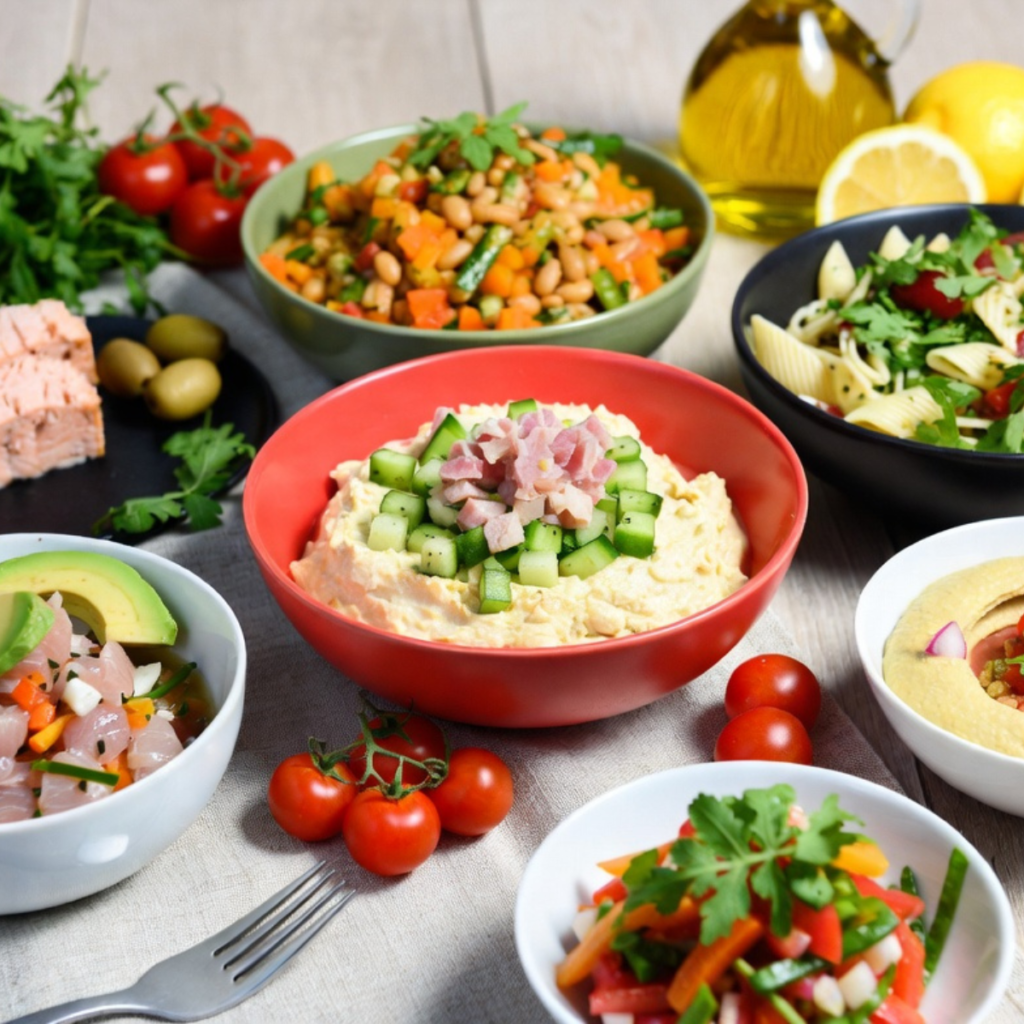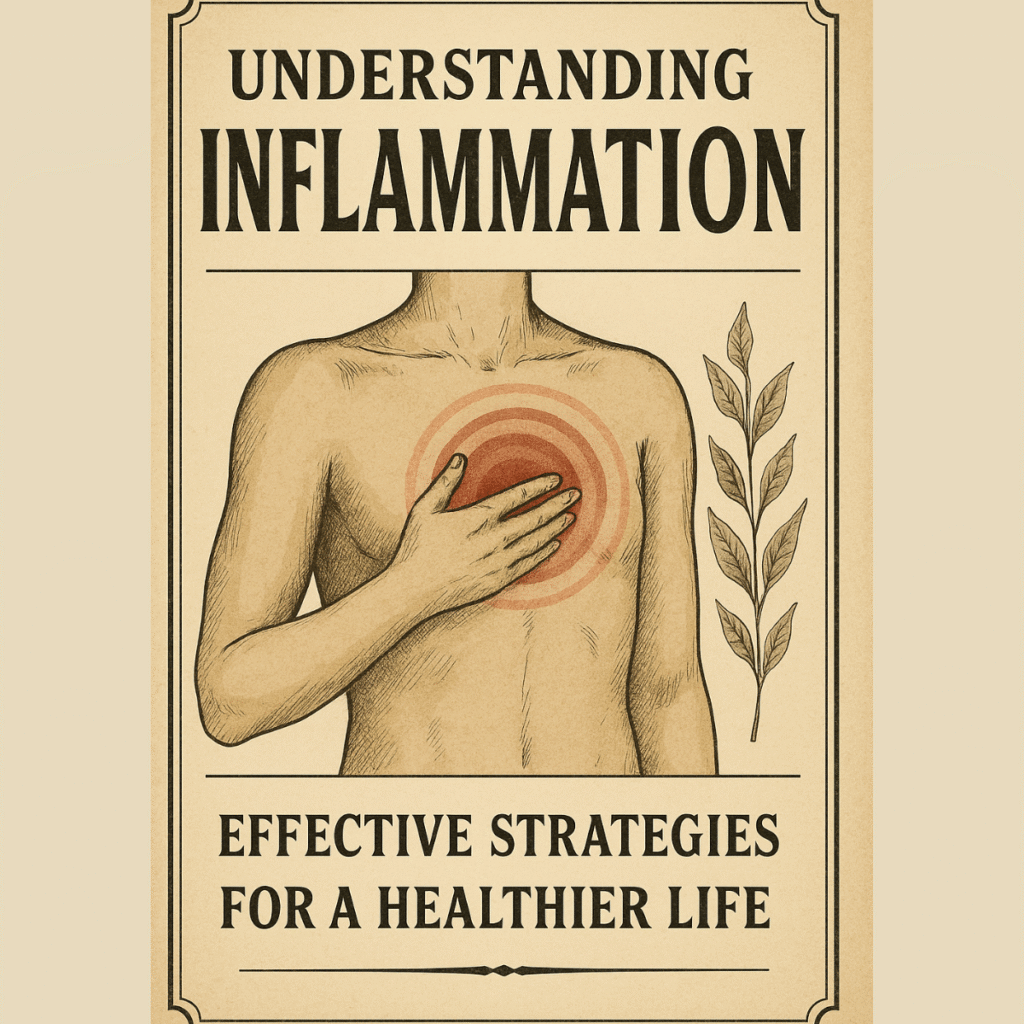
Today we’re talking about how to fight inflammation naturally, with anti-inflammatory foods, easy recipes, and practical tips.
When your body talks
Has this ever happened to you? Some days your body feels heavier than usual, your joints complain, or even your skin seems to be at war with you. All of that can be tied to inflammation. Without realizing it, you may have some inflammation going on in your digestive system while you go about your life completely unaware!
The truth is that inflammation, in the right amount, is a good thing. It’s how our body protects itself, repairs itself, and responds to whatever comes at it from the outside. When inflammation gets out of hand, though, it turns into a quiet enemy. The good news is that we can do something about it from the kitchen, with dishes that are full of flavor and a little magic, food that nourishes you and helps you feel better.
What inflammation is and why it’s worth paying attention to
Inflammation is nothing more than our body’s natural response to something it reads as a threat, whether that’s a cut, an infection, or even long-term stress. There are two types worth knowing about:
The good kind of inflammation
This is what kicks in when you cut your finger or catch a cold. It’s the body’s way of fixing the problem, and once the job is done, it fades away.
The not-so-good kind of inflammation
The trouble starts when inflammation sticks around and becomes chronic. That slow burn, that constant state of alert in the body, has been linked in research to heart disease, type 2 diabetes, arthritis, and certain types of cancer.
Chances are you won’t know you have it unless it shows up in your blood work. You might notice signs like fatigue, a bloated belly, or achy joints. Either way, taking care of what you eat is always a good idea, and if something feels off, it’s worth mentioning to your doctor.
How food can be your ally (or your enemy)
This is where we can really make a difference, wooden spoon in hand. The first step is learning to tell apart the foods that help us from the ones that don’t.
Foods that feed the fire (the inflammation)
- Refined sugars.
- White flour.
- Sodas and ultra-processed drinks.
- Processed meats.
- Fried foods and trans fats.
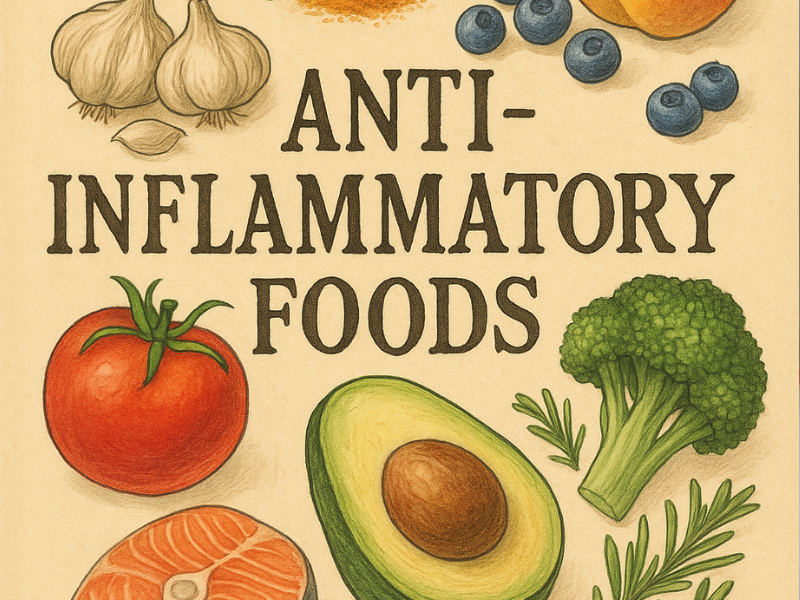
Foods that help put out the fire (the anti-inflammatory heroes)
- Antioxidant-rich fruit like blueberries, strawberries, and oranges.
- Leafy greens such as spinach, kale, and Swiss chard.
- Fish rich in omega-3s: salmon, mackerel, sardines.
- Legumes: lentils, chickpeas, beans.
- Nuts and seeds like walnuts, almonds, flaxseed, and chia.
- Magic spices: turmeric, ginger, cinnamon.
- Extra virgin olive oil.
A special anti-inflammatory recipe: lentil bowl with turmeric and vegetables
Because theory without practice only gets you halfway there, here’s a recipe that has become a regular on our weekly menu, perfect for those days when your body is asking for something tasty and quick. It’s also loaded with the kind of ingredients we’ve been talking about.
Ingredients
- 1 cup cooked lentils (about 200 g).
- 1 zucchini.
- 2 carrots.
- 1 onion.
- 2 garlic cloves.
- 1 teaspoon turmeric.
- 1 teaspoon freshly grated ginger.
- 3 tablespoons extra virgin olive oil.
- Salt and pepper to taste.
- Fresh parsley for garnish.
How to make it
- Sauté the onion and garlic in the olive oil until golden.
- Add the carrots and the zucchini, both cut into small cubes.
- Stir in the turmeric and the ginger, mixing well so the vegetables soak up all that flavor.
- Add the lentils, give everything a stir, and let it cook over low heat for about 10 minutes.
- Adjust the salt and pepper.
- Serve hot and enjoy!
You can make this on a Sunday and keep it in the fridge for up to three days. You can also freeze it in single portions, so you always have a healthy, comforting meal within reach.
Tip: add a squeeze of lemon right before serving. The vitamin C brightens the whole dish and adds a little extra goodness.
A little history and trivia about anti-inflammatory foods
Lentils, for instance, have been grown in the Middle East for more than 8,000 years. Garlic was treated as medicine in ancient Egypt. Turmeric, sometimes called Indian gold, has been used in Ayurvedic medicine for centuries to soothe aches and swelling. There are plenty more examples where those came from.
Tradition doesn’t lie: we’ve been using the kitchen as our own little apothecary for thousands of years, so why stop now?
Frequently asked questions
Can what I eat really help with inflammation?
It can help. This isn’t magic, it’s food. Research suggests that eating plenty of antioxidants and healthy fats is associated with lower inflammatory markers in the blood, though food works alongside the rest of your habits, not instead of them.
Do I have to cut out every inflammatory food?
There’s no need to go to extremes. It’s about finding balance and making room for the things that make you feel good. Just cut back on the less helpful stuff where you can, so it isn’t your everyday go-to.
Do exercise and sleep matter too?
Absolutely. Sleeping poorly or spending your days sitting still can also add to inflammation, so don’t forget to move your body every once in a while ^^
Friend, taking care of ourselves doesn’t always have to be complicated. Sometimes it’s enough to look at what we’re putting on the plate and choose our ingredients with a little love. Every vegetable you add, every spice you reach for on purpose, is a small act of care for your own body and for your family.
I’d love for you to try the recipe, play around with other ingredients, and tell me how you feel afterward. Cooking doesn’t just feed us, it takes care of us too.