Find out how to start cooking from scratch with this simple, practical guide. Learn step by step how to get organized, choose your tools, make your first dishes, and enjoy the process without the stress.
Cooking can feel like a whole world if you’ve never done it. You read a recipe and see words you don’t understand, timings that seem impossible, and tools you’re not even sure you own. I promise you, though, that anyone can learn to cook. You don’t need experience or talent, just the willingness to try, a little patience, and some curiosity.
I started out with no idea what I was doing either. I still remember the first time I tried to make rice. I overcooked it so badly it came out like mush. Every attempt was one more step forward, though, and over time I learned that cooking isn’t only about following instructions, it’s about paying attention, putting care into it, and having a good time.
In this guide I want to tell you everything I wish I’d known when I was taking my first steps. You won’t find technical jargon or impossible recipes here, only real, practical advice. I’ll walk you through it from the very basics to your first dishes, with simple ideas and tricks so you can start out feeling confident.
Most important of all: I want you to make this your own, with no pressure attached. Cooking can be a lovely, relaxing, deeply satisfying thing to do.
Learning to cook: easier than it looks.
A lot of people think learning to cook is complicated. It isn’t. The hard part is getting over the fear of starting.
When you’re out of practice, it’s normal to second-guess everything, from how much salt to add to how long to leave something on the burner. That’s all learnable, same as anything else.
You don’t have to do it perfectly. You don’t even have to do it well at first. What matters is doing it. Every time you cook, you’ll pick up something new.
My advice is to start with simple things, dishes that won’t overwhelm you. When they turn out, you’ll feel that small satisfaction that comes from looking at something you made yourself. Bit by bit you’ll build confidence, and cooking will stop being a challenge and turn into a moment you look forward to.
Why learning to cook is worth it.
Cooking changes the way you live. It connects you with yourself, with what you eat, and with the people you’re cooking for. It’s an act of care: you’re looking after your body, your mind, and your time.
When you cook, you decide what goes on your plate. You know what you’re eating, and you can shape it around you, your tastes, your energy. Cooking is also relaxing. It anchors you in the present, a kind of meditation that smells like garlic and onion.
There’s nothing more satisfying than tasting something you made and thinking, wow, this is good.
Learning to cook gives you independence too. You’re not dependent on takeout or restaurants, you can improvise, create, adjust the flavors your way… Even when you get it wrong, you’ll always come away having learned something.
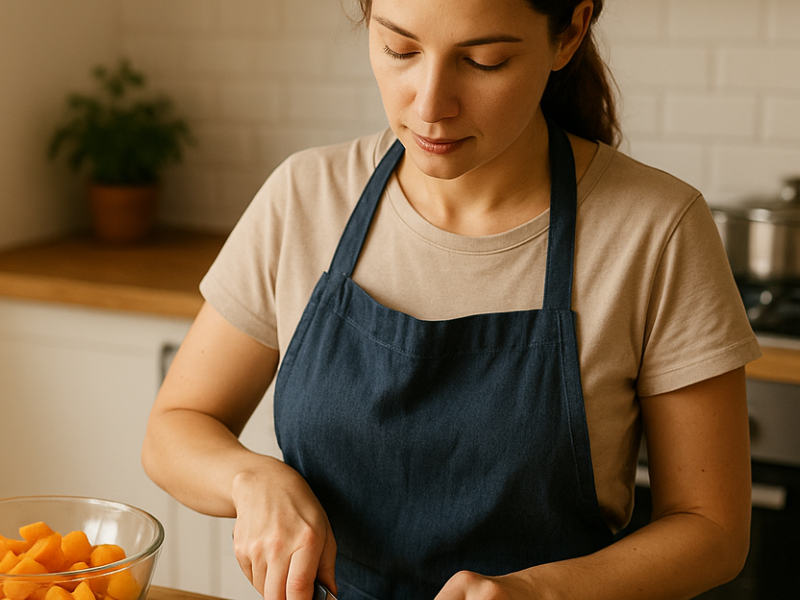
What you need to start cooking: just the essentials.
When you look at a professional kitchen it seems like you need a thousand gadgets. In reality, all you need to get going is the basics.
Must-have tools.
- One medium skillet and one small one.
- A large pot and a saucepan.
- A cutting board.
- One large knife and one small one, both sharp.
- A spatula and a wooden spoon.
- A strainer.
- A big mixing bowl.
- A grater.
- An oven or a microwave.
With that you can already make most recipes. There’s no need to buy everything at once. If you enjoy it and keep practicing, you’ll add more pieces along the way.
Basic ingredients to get started.
A simple pantry will take you a long way. Here’s what’s always in mine:
- Olive oil.
- Salt and pepper.
- Garlic and onions.
- Flour.
- Milk.
- Rice and pasta.
- Eggs.
- Breadcrumbs.
- Canned beans.
- Tomato sauce or canned tomatoes.
With those you can make dozens of dishes without overthinking it. What matters is keeping versatile, fresh ingredients on hand.
Set up your kitchen so cooking feels good.
Cooking in a messy kitchen is like trying to read with noise in the background: concentrating takes real effort. The first thing I’d suggest is carving out a small space where you can move and work without feeling crowded.
Keep the tools you use most within reach. Oil, salt, and knives should always be easy to grab. Store things by zones: knives together, pots together, dry goods on the same shelf…
If your kitchen is small, don’t worry. What matters isn’t the size, it’s the order. Even with barely any counter space you can cook well if you organize yourself.
One trick that helped me enormously at the beginning: clean as you cook. If you tidy up along the way, you won’t face the chaos that usually follows those first attempts.
Start cooking with easy recipes.
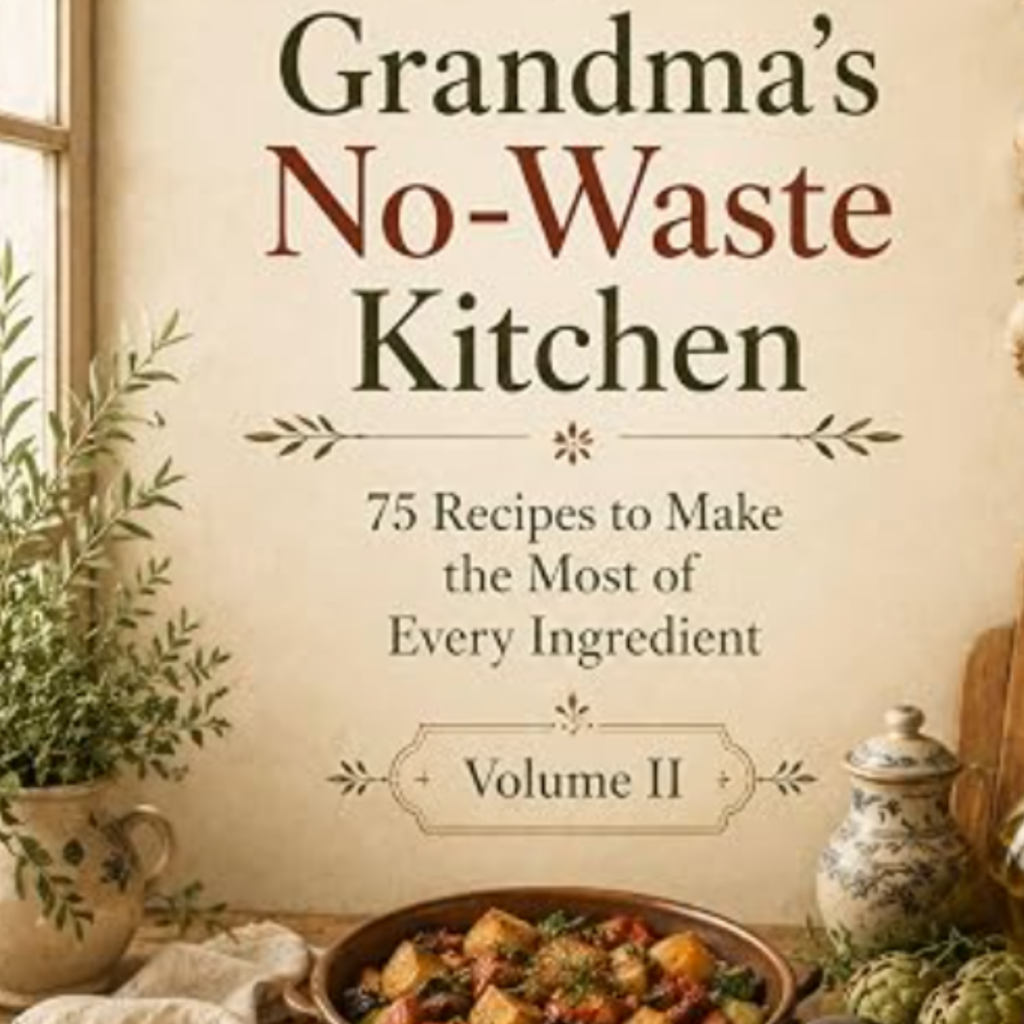
Keep it simple and start with recipes that have three or four ingredients. At the beginning, the point is getting familiar with heat, timing, and flavors. Books can help, like the one I wrote for people who are starting out, and I mean truly from scratch.
Some ideas that never let you down: scrambled eggs, pasta with tomato sauce, rice with vegetables, or a creamy pumpkin soup.
These are dishes that teach you the fundamentals: chopping, boiling, sautéing, tasting, and adjusting.
Once you have those down, you’ll have a handle on almost everything that comes next. If you know how to make a béchamel, for instance, you can make croquettes, lasagna, or anything gratinéed. If you learn to cook rice properly, risotto and rice salads open up.
Every dish you make is a step forward. Take your time and enjoy the process.
Learn how to read a recipe.
Reading a recipe before you cook sounds obvious, but plenty of us skip it, only to realize halfway through that the oven should have been preheating or that something’s missing.
Before you start, read the whole recipe and get your ingredients ready. That way you’ll cook calmly, without rushing. If you hit a word you don’t know, look it up. Little by little the terms will start to feel familiar. It’s something I also explain in my book.
Don’t be afraid to adapt. No carrots? Use zucchini. No butter? Try oil. Cooking is flexible. It isn’t about following rules, it’s about finding your own way of doing things.
Get over your fear of the stove and the oven.
The stove and the oven command respect, especially at the beginning, but with practice you’ll see there’s no mystery to them.
Start with medium heat. If something looks like it’s burning, turn it down. Watch, smell, listen. When food hits the right point, you can tell.
The oven works the same way. Try simple recipes first, like roasted vegetables or lemon chicken, so you get used to the timing and learn how your particular oven behaves.
Cooking isn’t purely a matter of technique, it’s also intuition, and that intuition develops with time.
My first easy dishes.
I still remember the first dishes that came out right, and I still make them. Here are a few that will give you good practice as you start out:
- Pasta with tomato sauce and oregano.
- A plain omelet.
- White rice with a drizzle of olive oil.
- Creamy pumpkin soup.
- Roast chicken with potatoes.
- Quick lentils with vegetables.
- Simple butter cookies.
These recipes teach you a lot without tying you in knots. Once you have them down, you’ll feel more comfortable and ready to try new things.
How to improve little by little.
Cooking is learned through practice. There are no shortcuts and no magic tricks. Every time you make something, pay attention to the details: what the texture is like, how the color changes, how long things take.
Don’t get hung up on being perfect. Nobody is born knowing how, and there’s no point comparing yourself to anyone else. Everyone moves at their own pace.
Something that helped me a lot was repeating the recipes that turned out well, which builds confidence. From there you can start varying things, swapping an ingredient, trying a new spice, improvising…
If something goes wrong, laugh about it. We all have stories about dishes that flopped. They’re part of learning.
How to store food and save time.
One of the secrets of cooking is learning to store things well. It saves you time and also keeps you from throwing food away.
Keep leftovers in airtight containers, glass if you can, so you can see what’s inside. In the fridge, stews will hold up for three days without any trouble. In the freezer, you can keep them for months.
I like to cook double and put half away, so there’s always something ready for the nights I don’t feel like cooking. I also make basics like stock or tomato sauce and store them to use across different dishes. Cooking with a little foresight brings a lot of peace of mind.
Simple tricks that make a big difference.
- Always taste before you serve. That’s how you adjust the seasoning.
- Cook with good light. Seeing clearly prevents mistakes.
- Clean while you cook, not after.
- Let some dishes rest, since the flavors settle and improve.
- Put on music or a podcast while you cook and make the time your own.
Frequently asked questions.
What if something turns out badly?
It’s fine, we all mess up. What matters is figuring out what went wrong and giving it another go.
How long does it take to learn?
Depends how much you practice. Within a few weeks you’ll notice a difference, and within a few months you’ll feel comfortable enough to cook without a recipe at all.
Is cooking at home more expensive?
No, it’s actually cheaper. You also get more out of your ingredients and stay in control of portions.
Do I have to measure everything at first?
If it helps you, yes. Over time you’ll learn to eyeball it.
What if I don’t have time?
Make quick dishes or prep things ahead. Rice, a soup, or a stew will keep for several days. The key is planning.
My own experience learning to cook.
When I started cooking, I did it out of necessity. Bit by bit it turned into something that made me feel good, my time to switch off, my space to take care of myself.
I remember the smell of those first dishes, the sound of the oil, the feeling of opening the oven and seeing that something had worked out.
Cooking became a way to calm down, to create, to enjoy myself. That’s why I always say it isn’t only about eating. Cooking feeds something else too.
Learning to cook from scratch isn’t hard, it’s a matter of starting. You don’t need to do it perfectly, you don’t need a lot of time, and you don’t need to spend money. All you need is that first step.
Cooking is a way to express yourself, to care for people, and to enjoy something simple. Every recipe teaches you something, including the ones that flop. One day, without noticing it happened, you’ll be making your favorite meal without looking at a single recipe.
Don’t give up if something burns or comes out too salty. Those are just small stories from the road. What matters is that you keep trying.
Are you just starting to cook, or have you already taken your first steps? Tell me in the comments which dish you’d like to learn first, or what your best kitchen discovery has been so far. I’d love to hear from you.