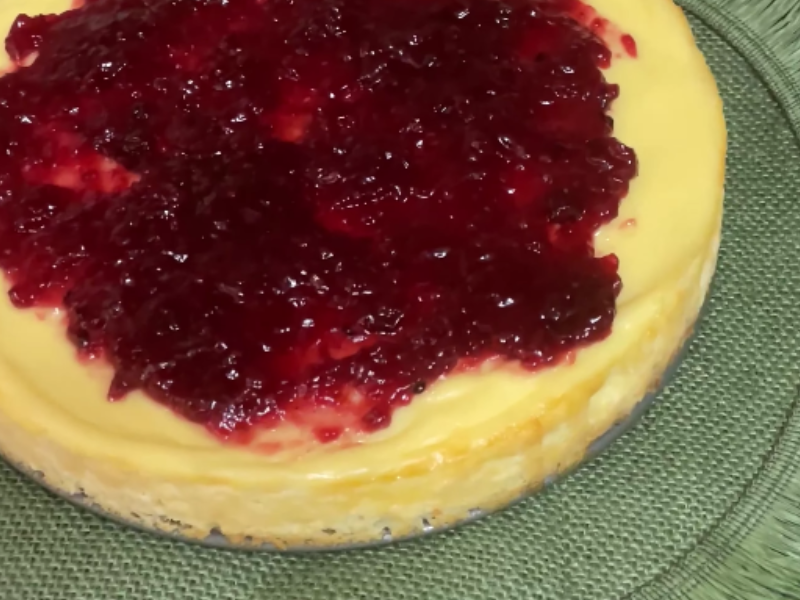
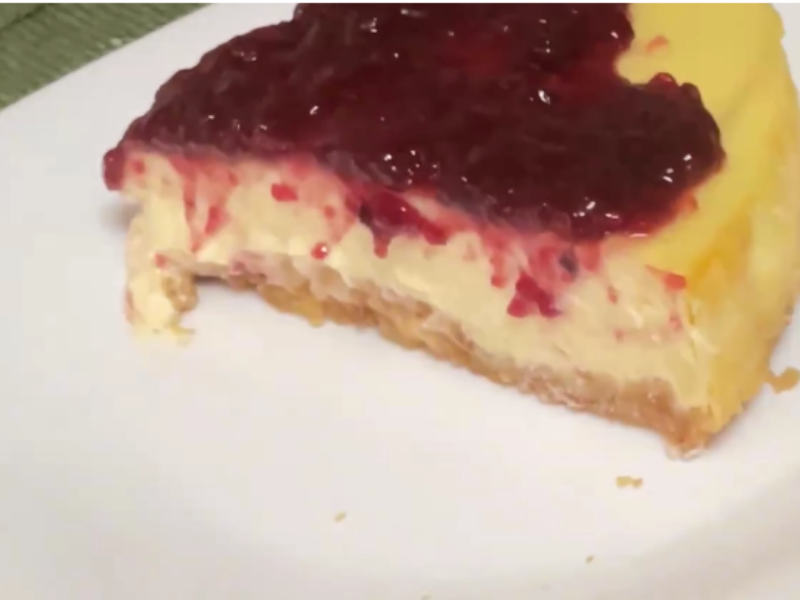
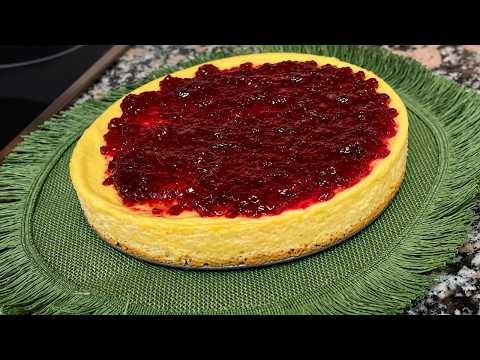
Discover how to make a creamy, smooth, and delicious cheesecake with an easy step-by-step recipe. Learn all the tricks to achieve the perfect texture, how to store it, variations, tips, and answers to the most frequent questions.
Few desserts make people smile quite like a homemade cheesecake. It has something special that sets it apart from any other sweet. Maybe it’s that smooth texture that seems to melt in your mouth, or that perfect balance between sweetness and creaminess that is so hard to resist.
What I love most about this cheesecake recipe is how simple it is while still delivering bakery-quality results. With good ingredients and a little patience during resting, the result is a dessert that could perfectly be found on the menu of a good bakery.
Another reason I love this recipe is its versatility. It’s perfect for any occasion. It works just as well as a dessert for a family meal as it does as the main feature of a birthday, a special celebration, or simply to treat yourself over the weekend.
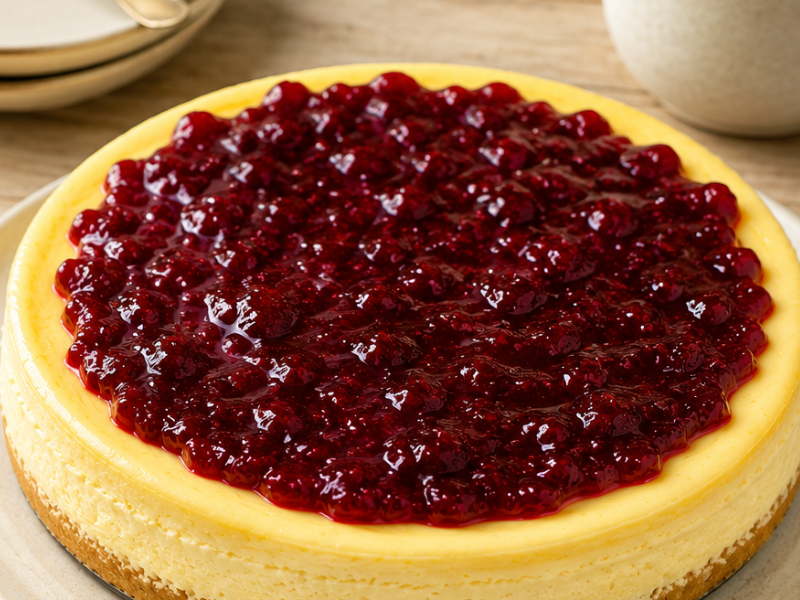
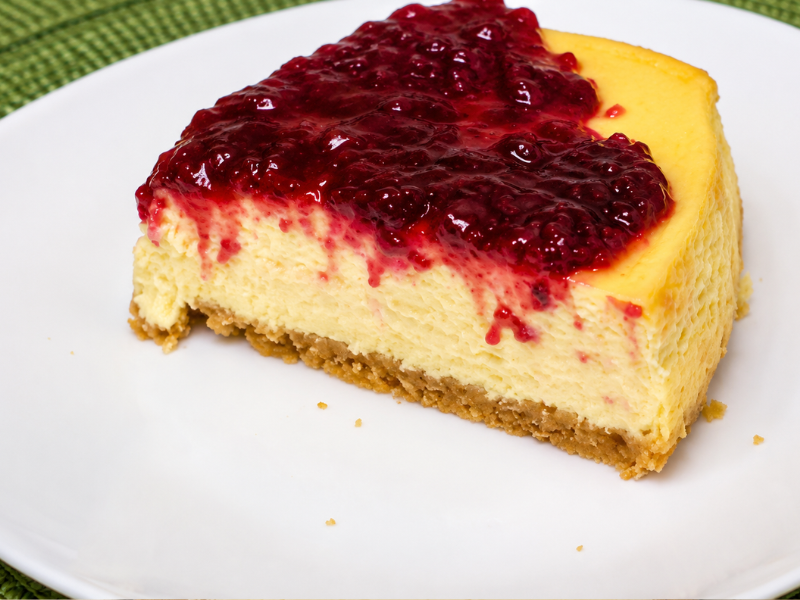
- Why cheesecake continues to be one of the most popular desserts.
- What makes this cheesecake recipe special.
- The importance of the ingredients' temperature.
- Common mistakes when making a cheesecake.
- Cheesecake variations worth trying.
- How to serve a cheesecake so that it looks spectacular.
- How to properly store cheesecake.
- How to get a better cheesecake every time.
This entry contains affiliate links
Why cheesecake continues to be one of the most popular desserts.
The popularity of cheesecake is no coincidence. Although there are countless delicious desserts, few manage to appeal to so many different people. Even those who are not usually very fond of sweets often give in to a good cheesecake.
Part of its success lies in the balance of flavors. It is not excessively sweet or heavy. The cheese adds personality and depth, while the cream and eggs create a silky texture that makes each bite especially enjoyable.
Its enormous versatility also plays a role. There are traditional recipes, modern versions, baked cheesecakes, no-bake cheesecakes, individual cheesecakes, and practically endless combinations with fruits, chocolates, nuts, or sauces. Everyone usually has their favorite version, but they all share something in common: that comforting feeling that appears with the first bite.
What makes this cheesecake recipe special.
After trying many different versions, I came to the conclusion that a good cheesecake does not need extravagant ingredients or complex preparations. The real secret is balance.
This recipe achieves a creamy texture without being runny. It maintains an intense flavor without being heavy. It has just the right amount of sweetness so that each ingredient retains its prominence. Another aspect that I especially like is that it adapts very well to different tastes. Some people prefer a firmer cake, others look for an almost melting interior. With small adjustments to the baking time, you can achieve exactly the result you like most.
Moreover, the recipe allows for numerous variations without losing its essence. Once the base is mastered, it becomes very easy to customize it and create new versions.
The importance of the ingredients’ temperature.
There is one seemingly small detail that completely changes the preparation. All the ingredients should be at room temperature before starting. When the cheese, eggs, and cream are too cold, it is harder to achieve a homogeneous mixture. Small lumps appear, and the final texture can be affected.
That is why I usually take the ingredients out of the refrigerator about half an hour before starting to cook. It is a simple gesture that greatly facilitates the whole process.
Common mistakes when making a cheesecake.
Opening the oven constantly.
The problem is that each opening causes sudden temperature changes; these changes can affect the rise, the texture, and even favor the appearance of cracks.
Overmixing the batter.
There is a belief that the more you beat a mixture, the better the result. In the case of cheesecake, the opposite happens: too much air in the mixture can cause a less uniform texture and increase the chances of cracks appearing.
The key is to mix just enough to combine all the ingredients.
Cheesecake variations worth trying.
Chocolate cheesecake.
For those who enjoy more intense flavors, chocolate is a fantastic option. It can be incorporated directly into the mixture, or used as a topping. The result is a rich and indulgent cheesecake that’s perfect for chocolate lovers.
Pistachio cheesecake.
Over the last few years it has become one of the most popular versions. Pistachios add a delicate nutty flavor and a beautiful touch of color.
It also looks absolutely stunning
Lemon cheesecake.
When I’m looking for a lighter, fresher version, I usually opt for lemon. Its aroma combines perfectly with the cheese and provides a much more refreshing sensation.
It’s an especially nice option during the warmer months.
Cheesecake with dulce de leche.
The softness of the cheese and the intensity of the dulce de leche create a combination that is hard to forget. It is a sweeter version, but also one of the most irresistible.
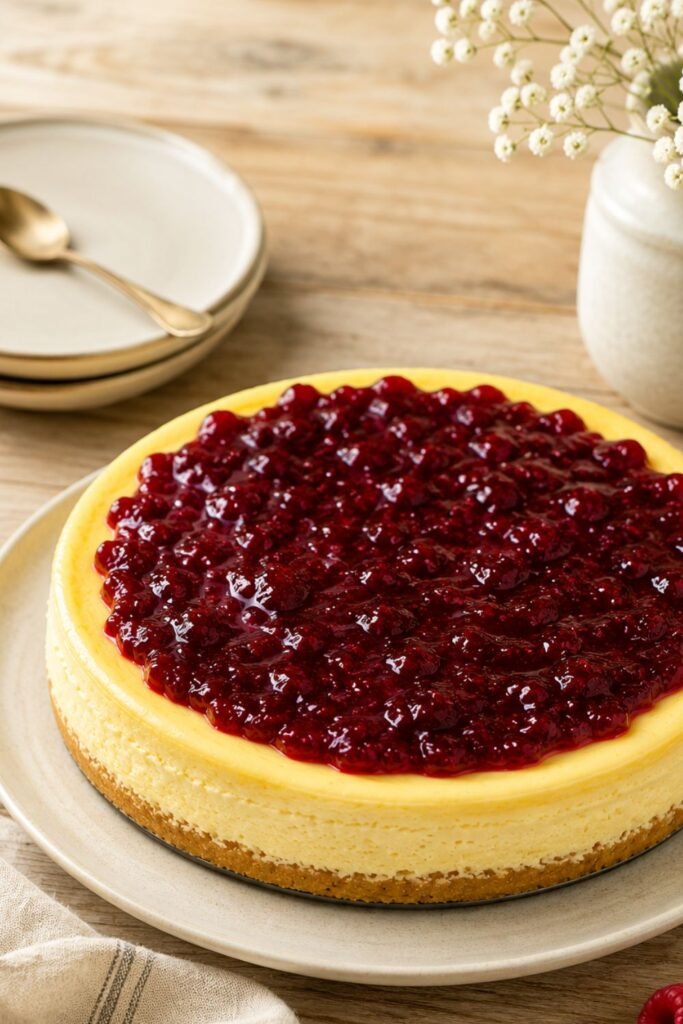
How to serve a cheesecake so that it looks spectacular.
Presentation is also part of the experience. Although a good cheesecake can be perfectly served on its own, some small details help make it an even more special dessert.
I like to take it out of the fridge a few minutes before serving so that it reaches a slightly warmer temperature; in this way, the texture becomes even creamier and the flavors are better perceived.
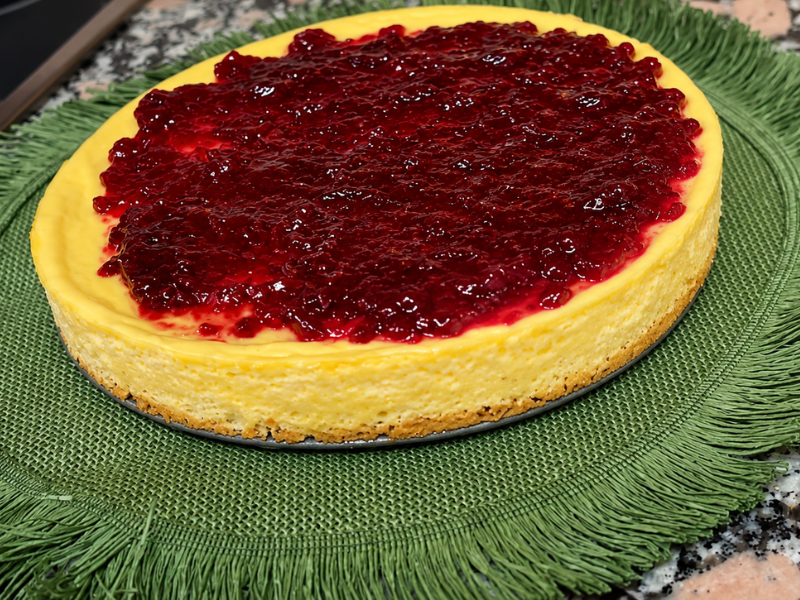
Some fresh fruits, a light sauce, or simple decoration can be enough to achieve a beautiful presentation without making it too complicated. The beauty of this dessert lies precisely in its simplicity.
How to properly store cheesecake.
Storage in the fridge.
Once fully cooled, store the cheesecake in the refrigerator. I usually cover it with plastic wrap or keep it in an airtight container to prevent it from absorbing odors from other foods.
When stored properly, it usually stays in perfect condition for four to five days. In fact, many times the flavor slightly improves after the first twenty-four hours because the ingredients finish settling.
Freezer storage.
Freezing is also an excellent alternative when we want to prepare the recipe in advance. What I usually do is cut the cake into individual portions before freezing it. This makes it much more practical to defrost only the amount needed.
Each portion can be carefully wrapped to protect it from the air and better maintain the texture. In the freezer, it can be kept for several months without problems.
How to defrost it correctly.
The best way to defrost a cheesecake is to do it gradually. It is recommended to move it from the freezer to the fridge several hours before consuming it. This slow process helps maintain the creamy texture characteristic of the recipe.
Rapid defrosting usually negatively affects the consistency and flavor.
How to get a better cheesecake every time.
After preparing this recipe many times, I have come to the conclusion that perfection does not depend solely on following a list of instructions. Experience plays an important role.
Every oven is different. Every ingredient can behave in a slightly different way. Every person has specific preferences regarding texture or sweetness level. That is why I like to observe how the recipe evolves each time I prepare it.
Cheesecake is much more than just a dessert. It’s one of those timeless desserts that people never seem to get tired of. With a few ingredients, some patience, and a few little tricks, it is possible to achieve a spectacular result at home. You don’t need to be an expert in baking to enjoy a creamy, smooth, and flavorful cheesecake.
If you finally decide to make this cheesecake, I would love to know how it turned out. Tell me in the comments if you followed the classic recipe or if you added your personal touch. You can also share your tips, your questions, or your favorite version.
I always enjoy discovering new ideas and hearing how others make this classic dessert their own
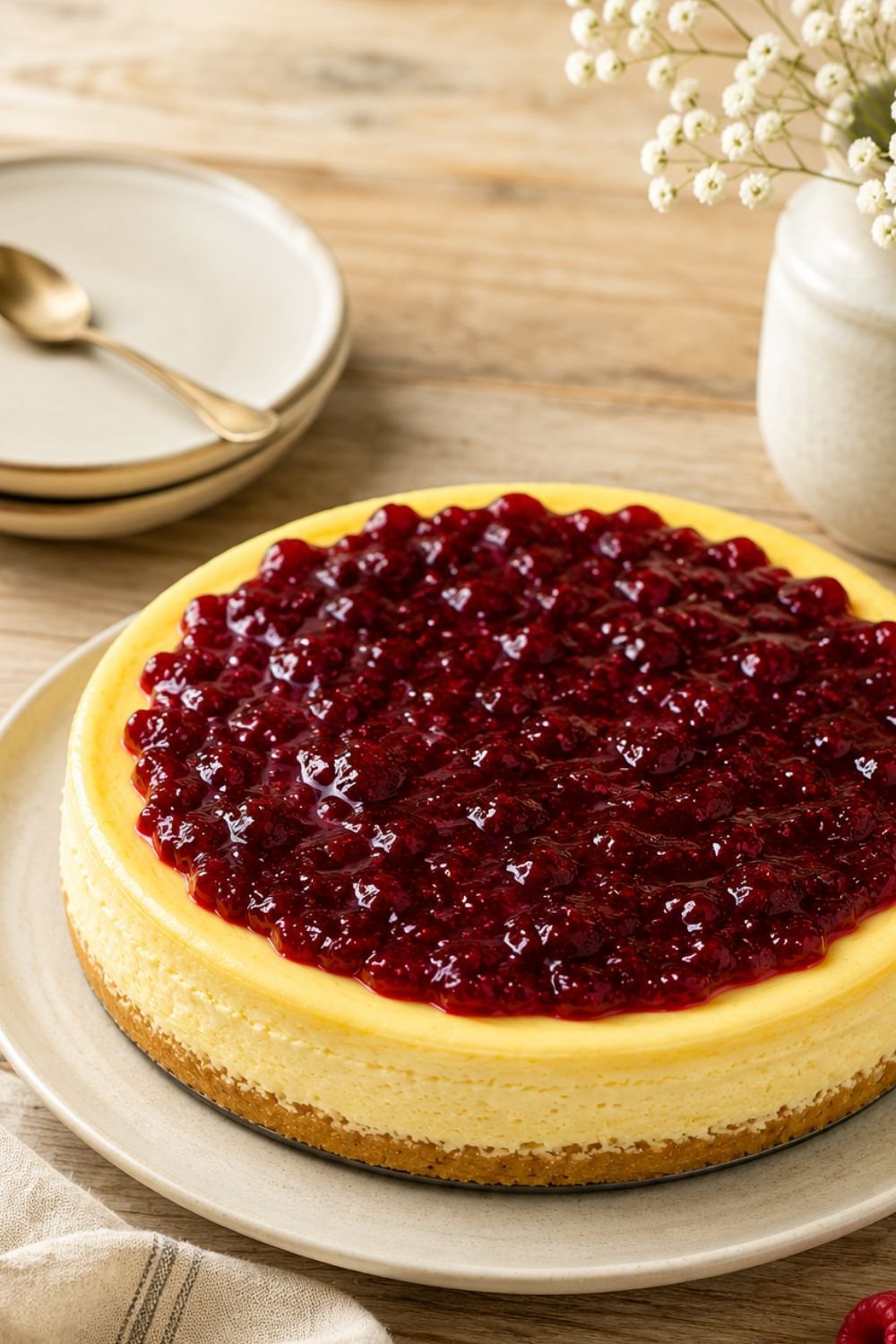
Irresistible and creamy cheesecake
Description
DeDiscover how to prepare a creamy, smooth, and delicious cheesecake with an easy step-by-step recipe. Learn all the tricks to achieve a perfect texture, how to store it, variations, tips, and answers to the most frequently asked questions.
Ingredients
Instructions
-
Prepare the mold and the oven.
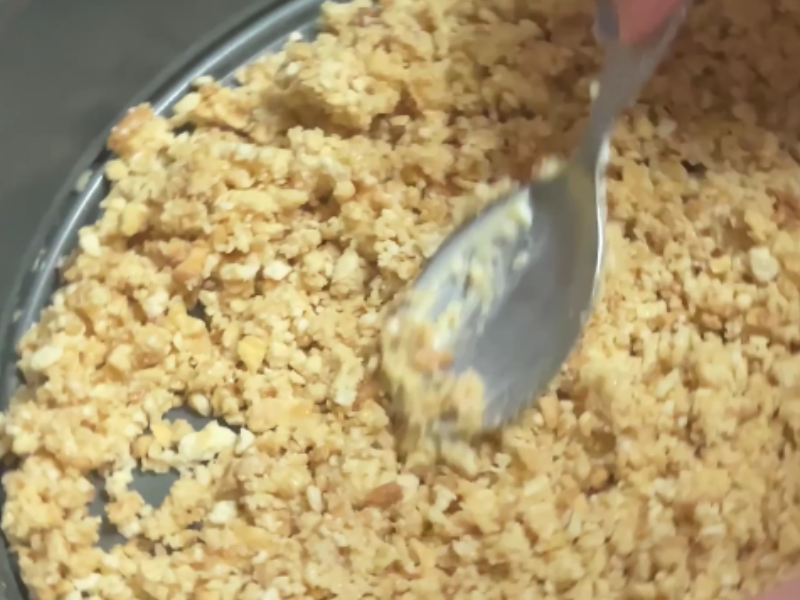
Crush the cookies and mix them with the melted butter until well combined. Refrigerate while preparing the filling.
Preheat the oven to 145 degrees Celsius (300 F)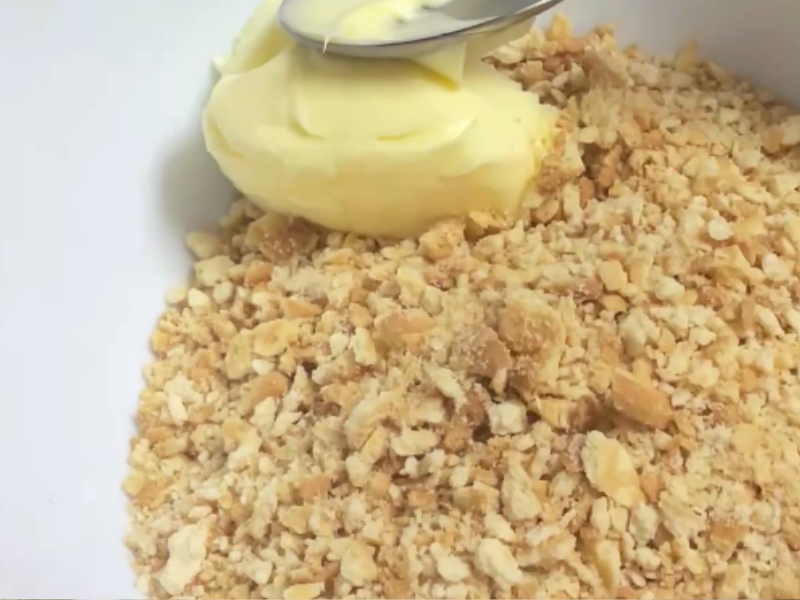
-
Mix the cheese and sugar.
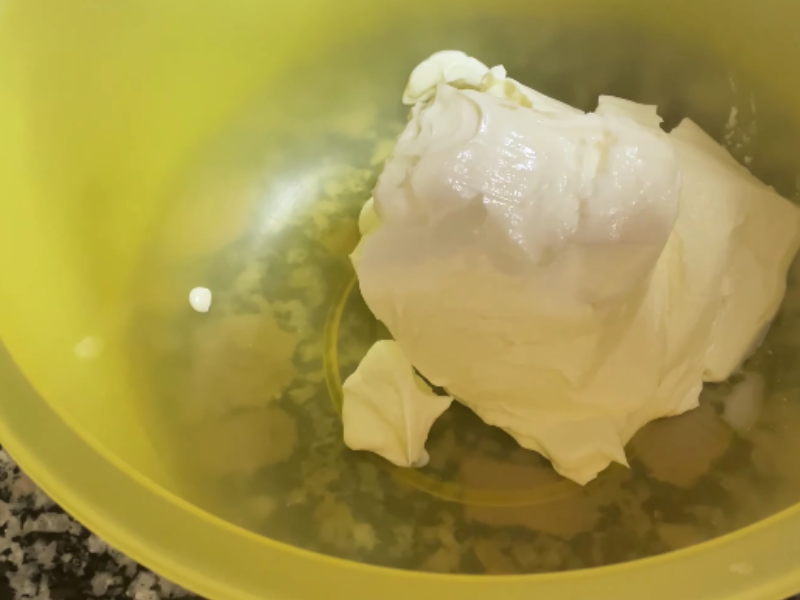
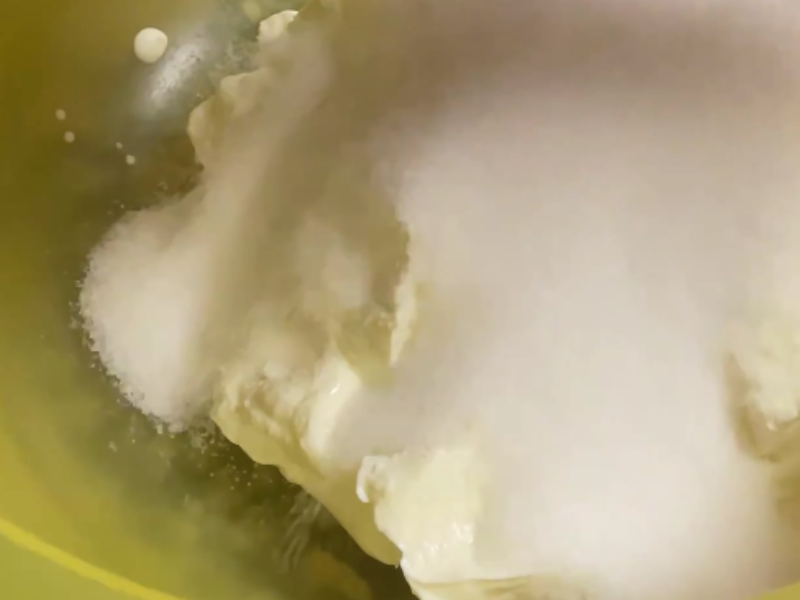
Place the cream cheese in a large bowl and add the sugar. Mix until smooth and lump-free. It is important not to overbeat to avoid incorporating too much air into the mixture.
-
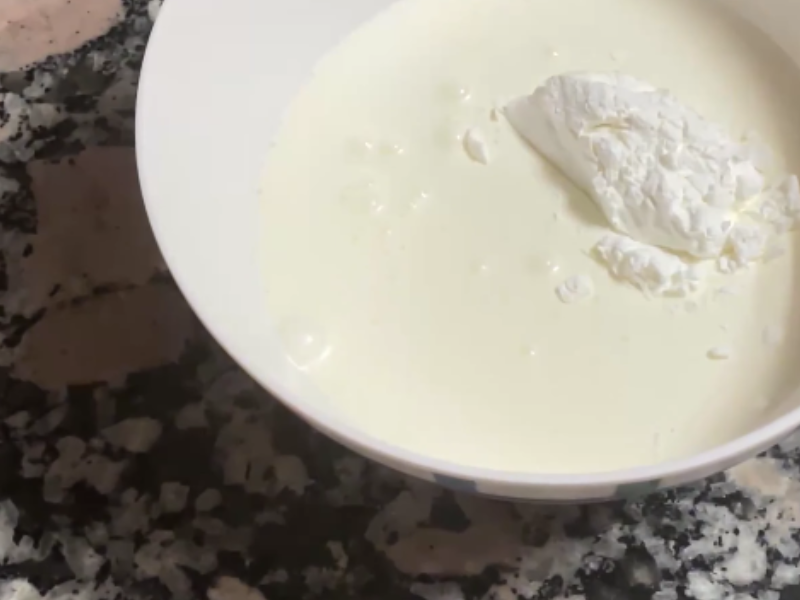
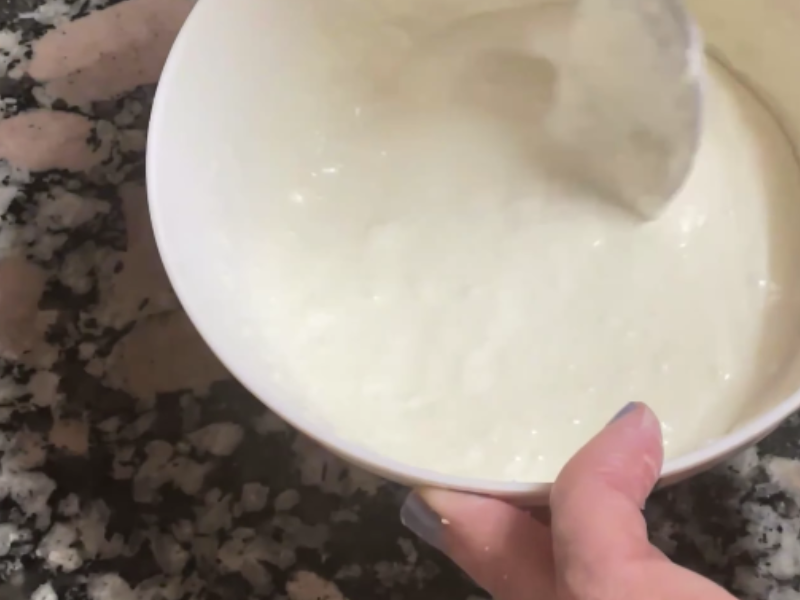
Mix the cream and cornstarch.
In a separate bowl, dissolve the cornstarch in the cream, stirring carefully
-
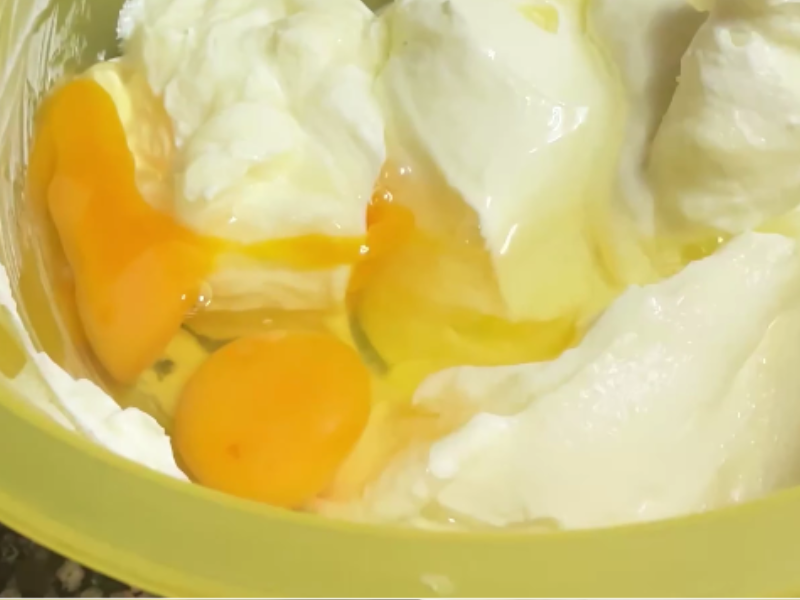
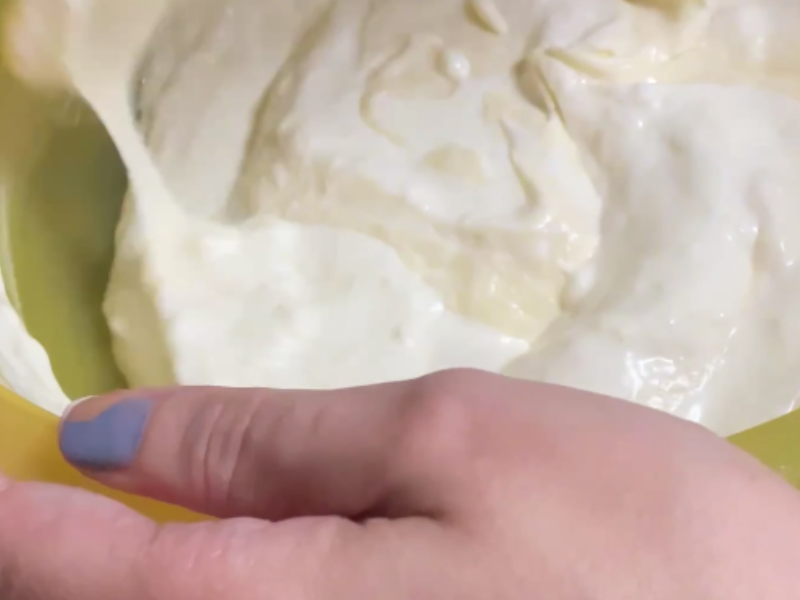
Add the eggs.
Add the eggs one by one to the cheese and sugar mixture. This process helps to achieve a uniform texture and prevents the mixture from curdling.
-
Add the cream and vanilla extract.
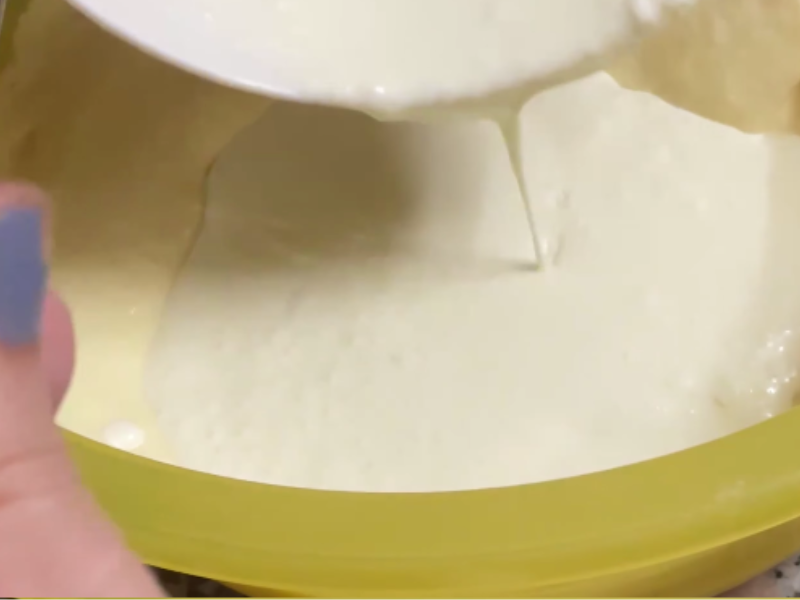
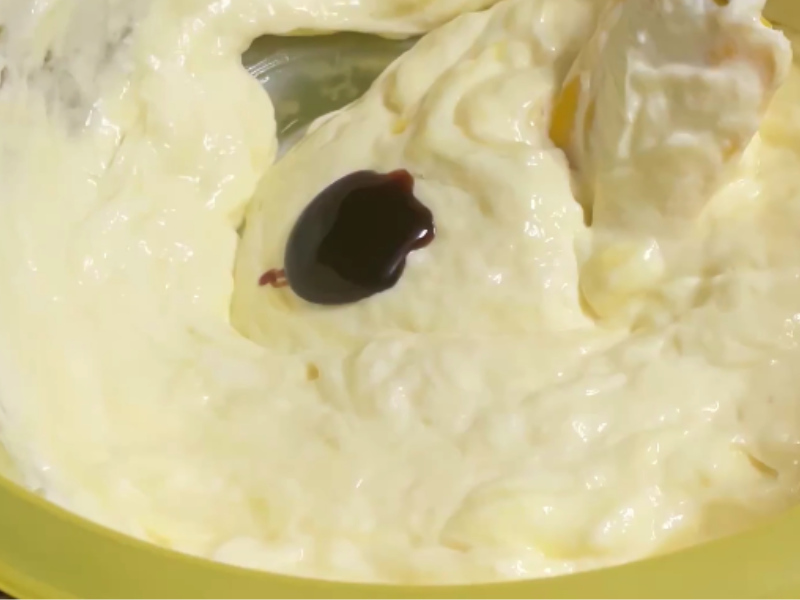
Pour in the liquid cream and vanilla extract. Gently stir until all the ingredients are perfectly combined and the mixture has a creamy and shiny texture.
-
Pour the mixture into the mold.
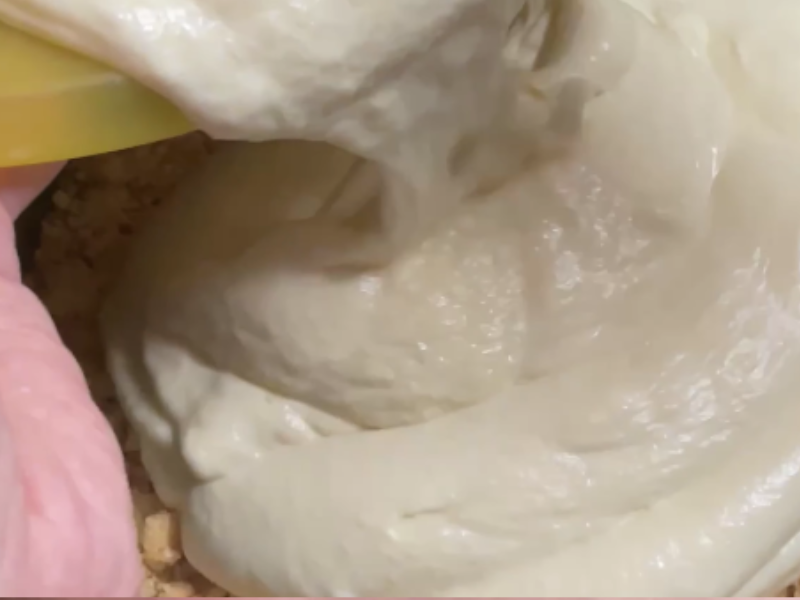
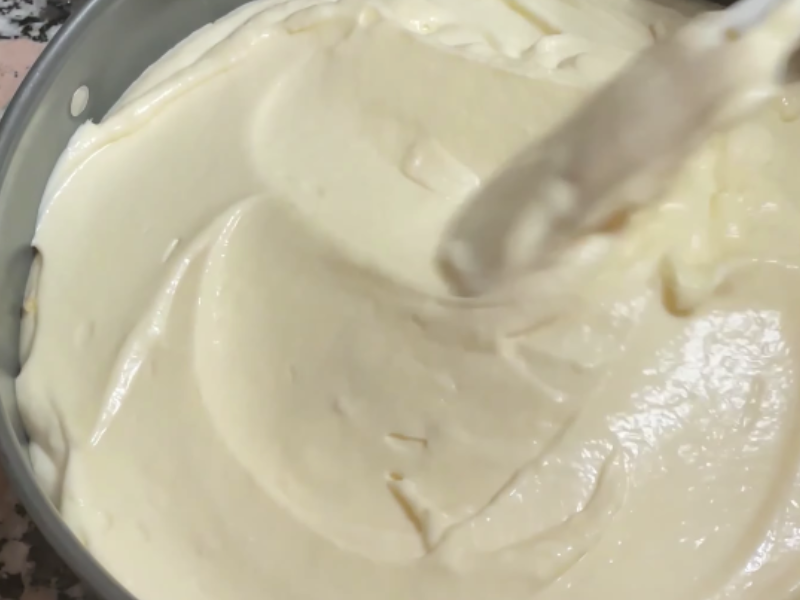
Pour the mixture into the prepared mold and gently tap the base on the countertop to remove any air bubbles that may be trapped.
-
Bake the cheesecake.
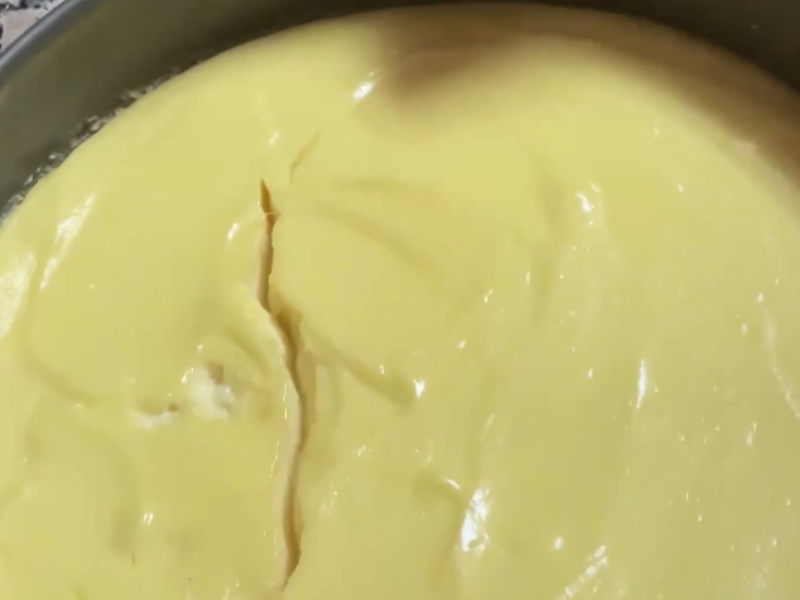
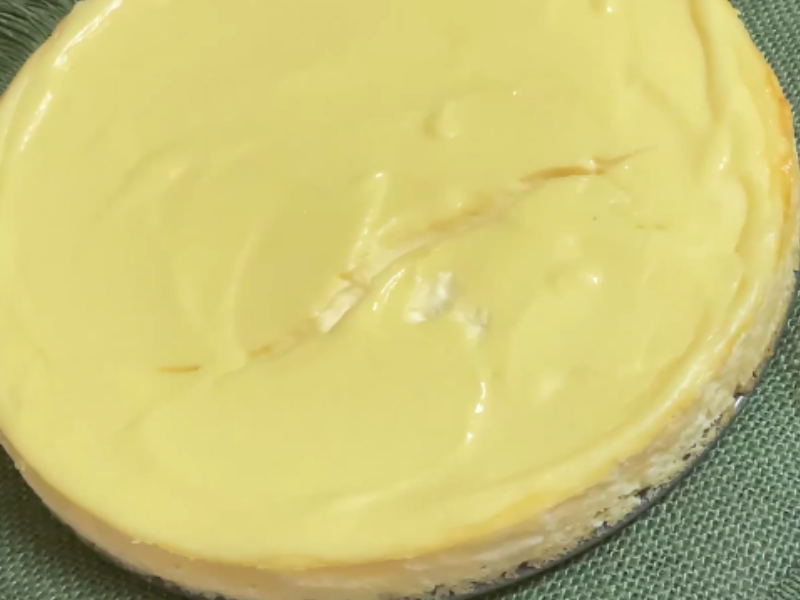
Place the mold in the oven and bake for approximately 40 or 45 minutes. The surface should acquire a nice golden tone while the center should retain a slight wobble when gently moving the mold.
-
Let cool and rest.
Remove the cake from the oven and let it cool completely at room temperature. Then refrigerate it for at least four hours, although ideally it should rest overnight to achieve a creamier texture and a more intense flavor.