
Potaje de Vigilia (Spanish Chickpea and Spinach Stew) is much more than a simple chickpea stew. This traditional Spanish dish is deeply rooted in the country’s culinary and religious heritage, combining humble ingredients with rich flavors. Made with chickpeas, spinach, and salt cod, it has been enjoyed for centuries during Lent and remains one of Spain’s most beloved seasonal recipes.
The Origins of Potaje de Vigilia
Potaje de Vigilia (Spanish Chickpea and Spinach Stew) dates back to medieval Spain, when the Catholic Church required abstinence from meat during Lent and on certain fasting days. While following these restrictions, people still wanted nutritious and satisfying meals. People began to prepare dishes that used allowed ingredients: mainly legumes, vegetables, and fish.
This is how Potaje de Vigilia (Spanish Chickpea and Spinach Stew) was born, a hearty stew made with chickpeas, spinach, and salt cod, three ingredients that complement each other perfectly. Salt cod, prized for its long shelf life, became the key ingredient in these Lenten recipes.
A Tradition Passed Down Through Generations
Beyond its unmistakable flavor, Potaje de Vigilia (Spanish Chickpea and Spinach Stew) is a symbol of tradition and spirituality. It is specially prepared on significant dates such as Ash Wednesday, Fridays during Lent, and Good Friday, when most Spanish households keep the custom of not consuming meat.
Beyond its religious roots, this dish has long been a way for families and communities to gather around the table. In many homes, the recipe is passed down from generation to generation, and preparing Potaje de Vigilia becomes a perfect excuse to share share stories, traditions, and family values. It is a dish that invites reflection and connection, through taste and history.
Where Is Potaje de Vigilia Popular?
Although Potaje de Vigilia (Spanish Chickpea and Spinach Stew), is enjoyed throughout Spain, it has strong roots in regions such as Andalusia, Castilla-La Mancha, Extremadura, and Madrid. In each area, the recipe can vary slightly: some add hard-boiled egg, others include a touch of paprika or garlic, and some combine different types of spinach or even chard.
Outside of Spain, this stew has also found its place in Hispanic communities around the world, especially in Latin America, where the Spanish heritage remains alive in the cuisine and in religious traditions.
A Timeless Dish Full of Flavor
Potaje de Vigilia (Spanish Chickpea and Spinach Stew), is far more than a traditional fasting dish. Its combination of tender chickpeas, spinach, and flavorful salt cod creates a comforting meal that has stood the test of time.
If you are looking for an authentic Spanish recipe that combines history, tradition, and incredible flavor, Potaje de Vigilia is a must-try. This comforting stew has been enjoyed for centuries and continues to bring families together around the table during Lent and beyond.
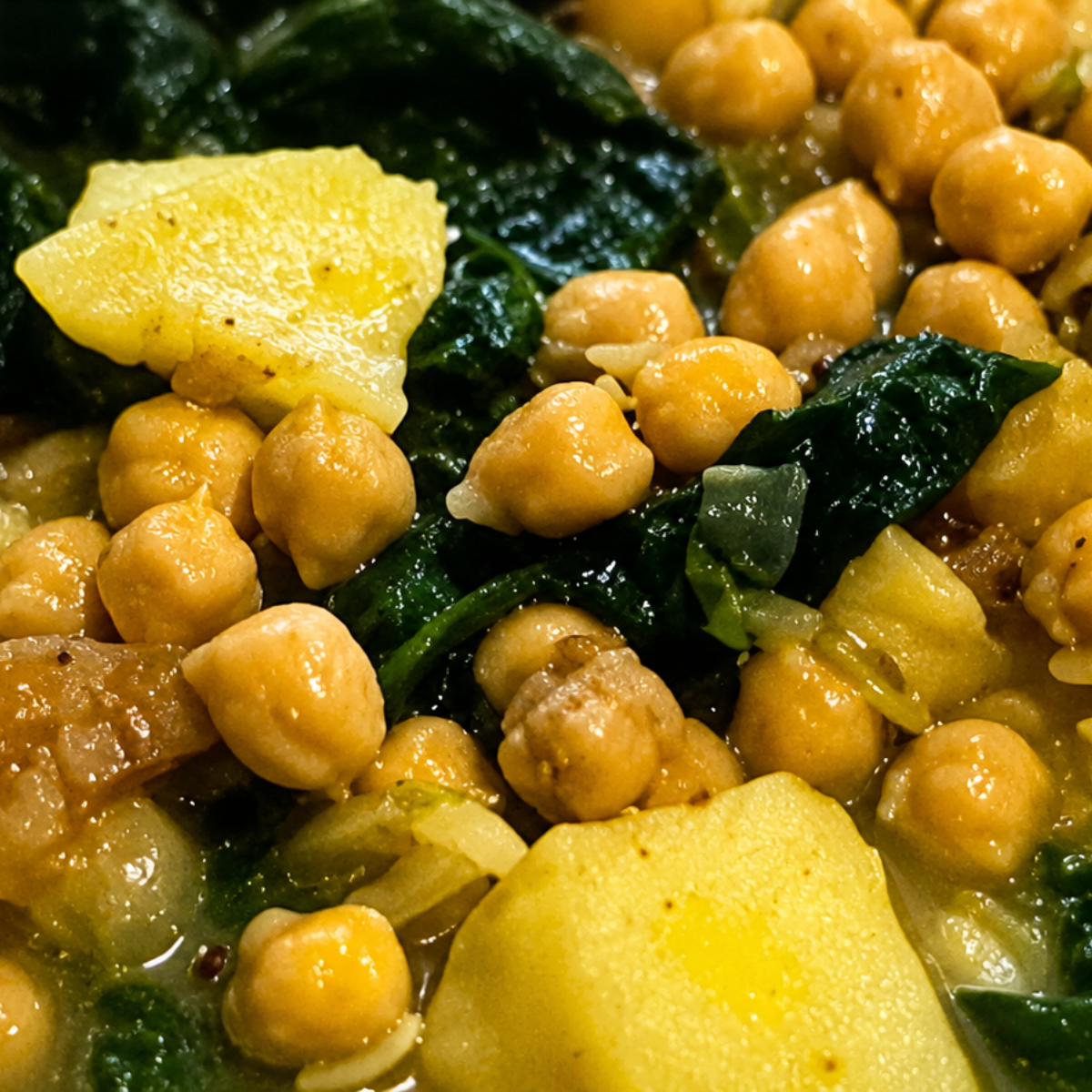
Traditional Spanish Potaje de Vigilia (Spanish Chickpea and Spinach Stew)
Description
Nothing says 'home-cooked food' more than a good stew. And if we talk about one of the most beloved in traditional Spanish cuisine, potaje de vigilia takes all the applause.
It is a comforting dish, full of flavor, economical, and with that timeless touch that takes us back to our grandmothers' kitchens.
Moreover, it is a very typical recipe for Lent, when meats were usually avoided, but it is also perfect for any time of the year if you like spoon dishes.
Ingredients
Method
Modo de preparación
-
If you use dried chickpeas:
The night before, soak the chickpeas in lukewarm water with a pinch of salt for at least 12 hours. Drain them, rinse them, and cook them in a pot with clean water, bay leaf, and a splash of olive oil. You can use a pressure cooker (about 30 minutes) or cook them traditionally (approximately 1 hour 30 minutes) until they are tender. If you use pre-cooked chickpeas, simply set them aside and start with the sauté.
-
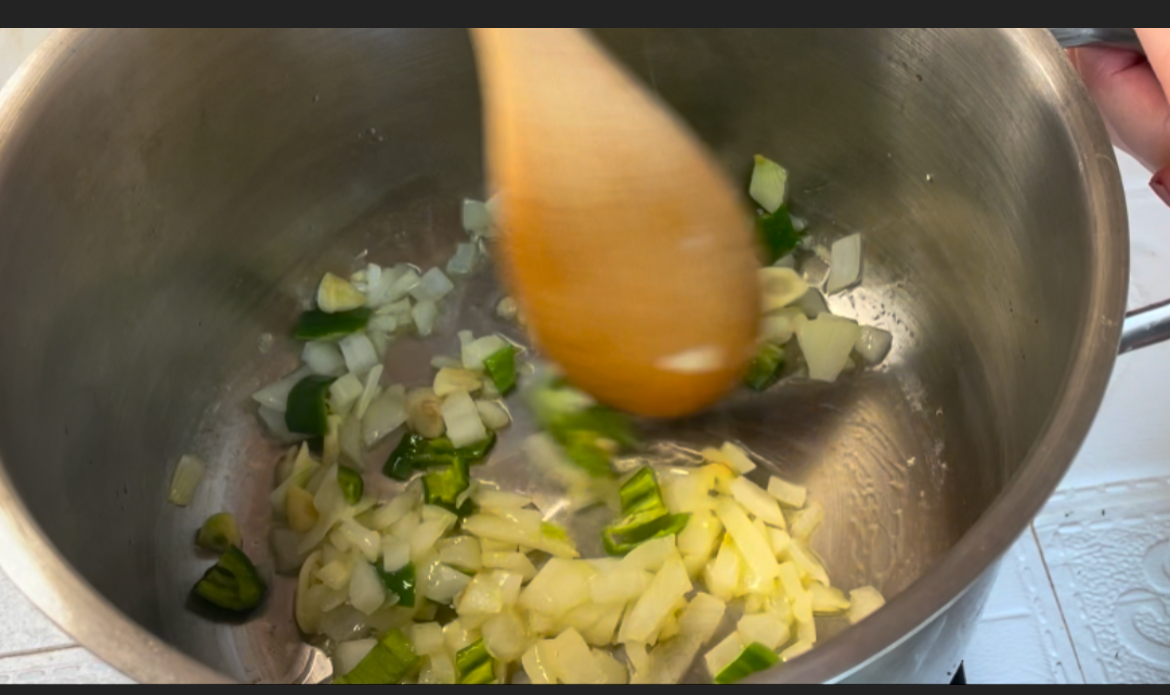
Prepare the sofrito
In a pan with a little olive oil, sauté the chopped onion and sliced garlic until they are nicely browned. Add the pepper and the tomato and cook for a few minutes.
-
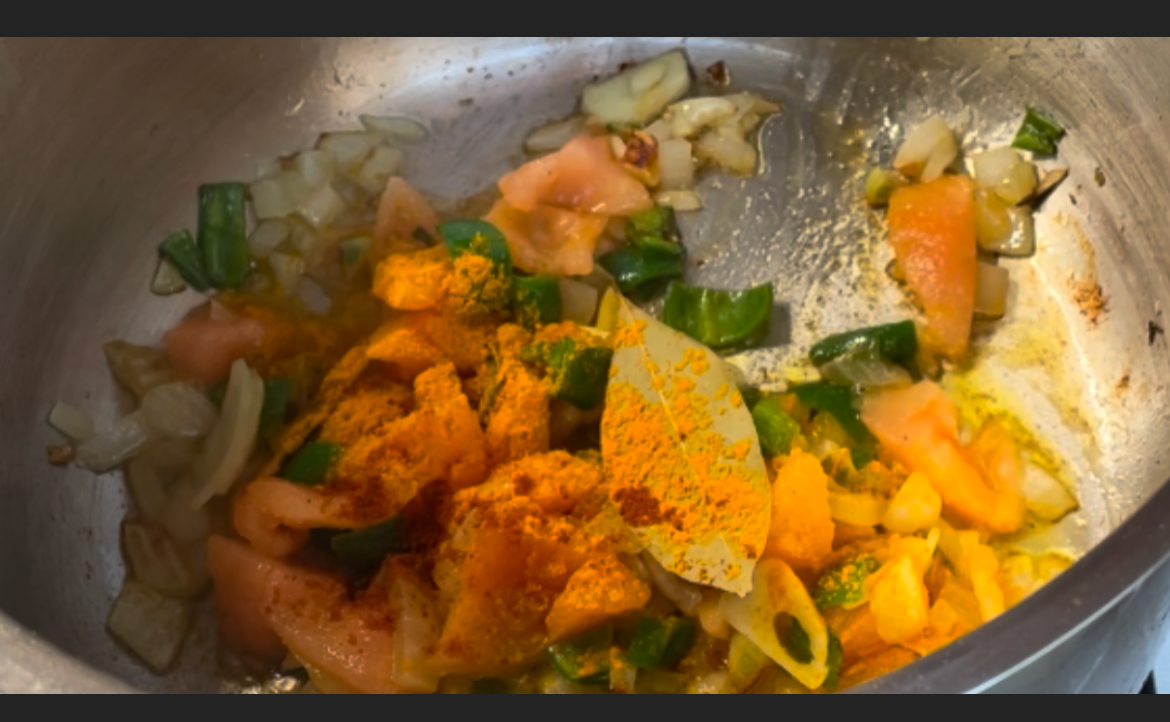
Add the spices
Add the bay leaf and the spices and stir so that it does not burn
-
Add the Water and Chickpeas
Add the hot water to keep the cooking temperature steady. Mash the potato and add it.
When it starts to boil, add the cooked chickpeas. Let it cook for 10 to 15 minutes.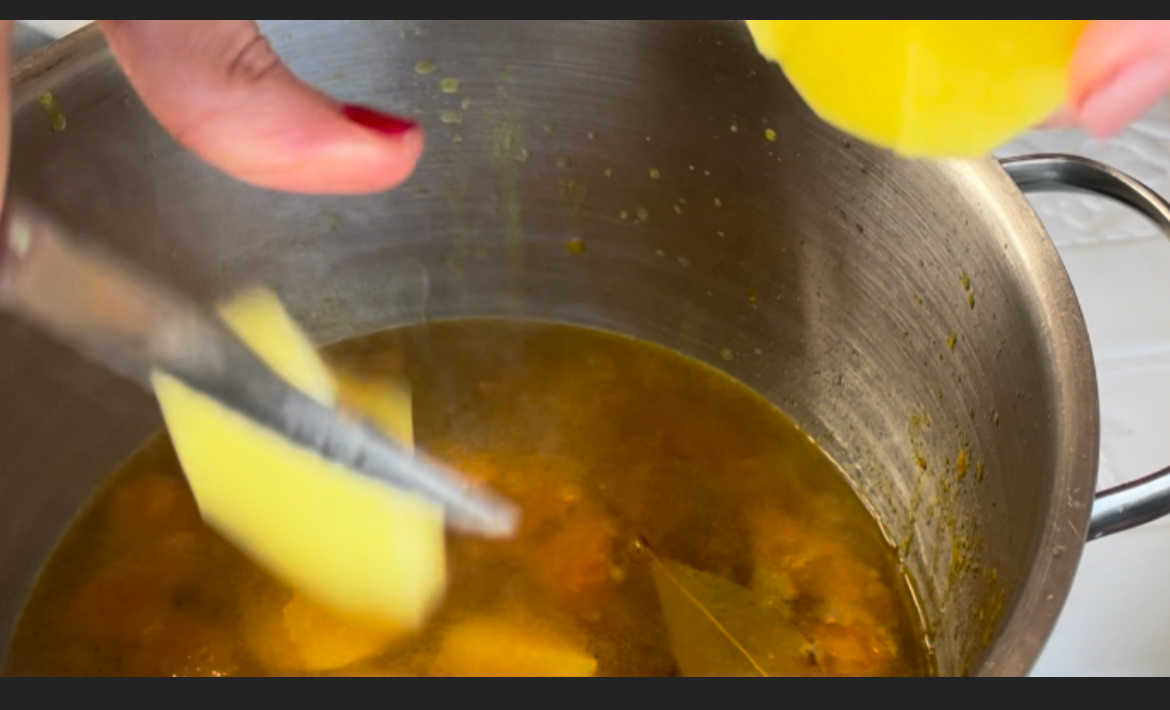
-
Spinach and cod
Add the spinach little by little and the cod cut into pieces. Adjust the salt.
The cod cooks quickly and gives the stew its characteristic flavor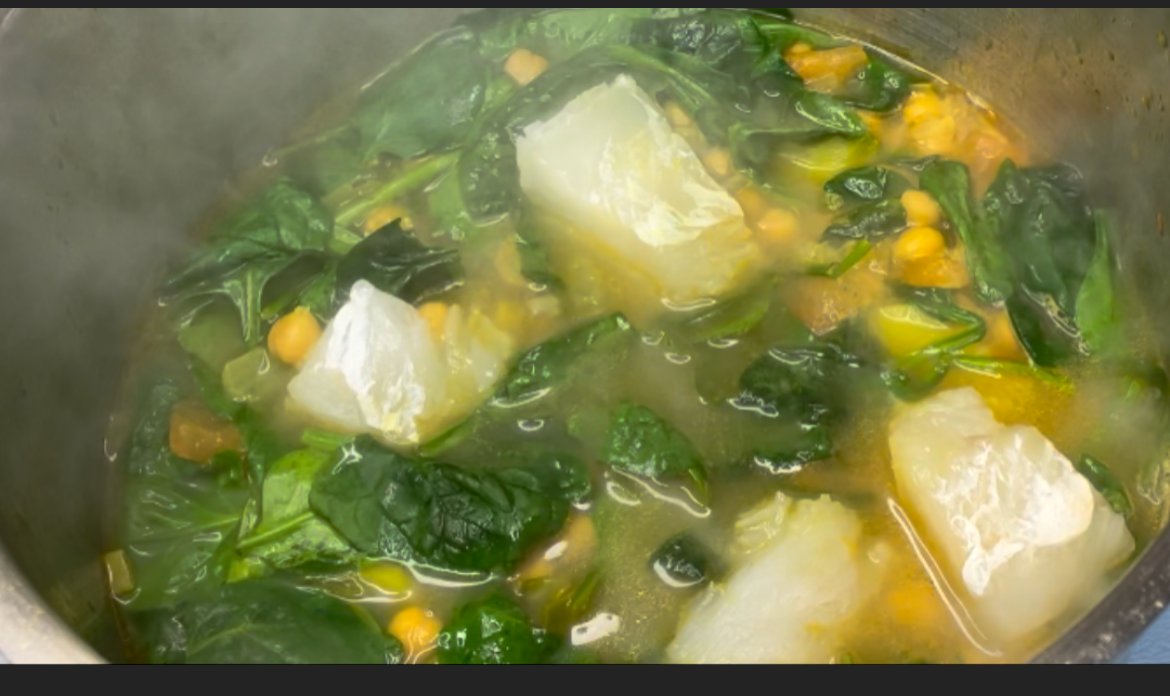
-
Adjust the salt and serve
Taste and adjust the salt level (be careful if the cod retains some salt). If you want, accompany each dish with half a boiled egg. It goes great!


Nota
Extra tips:
- If you like it thicker, you can mash a few chickpeas and add them back to the stew.
- For a spicy touch, add a tip of chili to the sofrito.