
Homemade pestiños are more than just a sweet bite: they’re history, culture, and tradition all blended into every crunch. Made with simple ingredients (flour, olive oil, anise, sesame, and honey), their flavor reflects a recipe that has stood the test of time, keeping the essence of our grandmothers’ cooking—the kind that smells heavenly and tastes like home.
The origin of pestiños goes back to the Andalusian period, when different cultures and flavors coexisted on the peninsula, shaping our rich cuisine. Inspired by Arab sweets, like Moroccan shebakia, pestiños were born in southern Spain, especially in Andalusia, where they became an undisputed classic.
They are also very popular in Extremadura, some areas of Castilla-La Mancha, and even in the Canary Islands.
But beyond their history, pestiños have found their place in the heart of our celebrations. They are mainly prepared at Christmas and Easter, two times of the year when traditional cooking takes center stage.
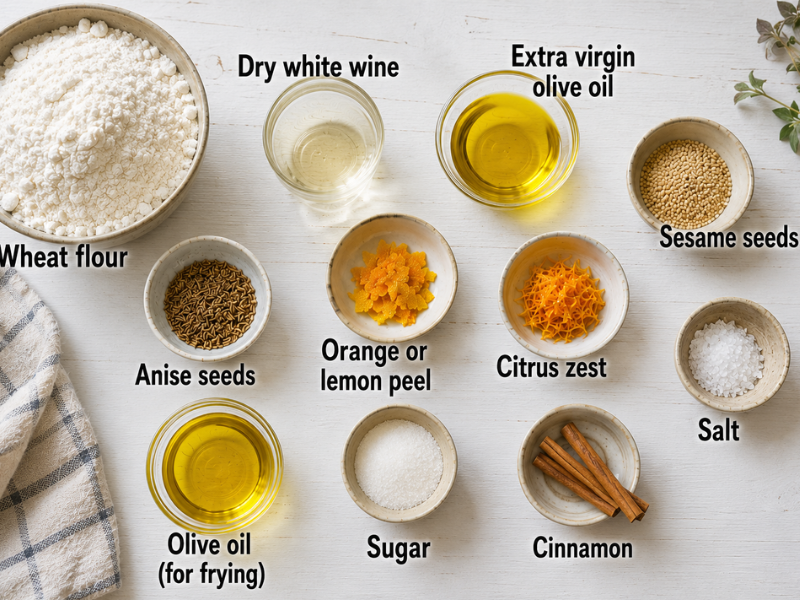
ingredients
During these dates, homes fill with the unmistakable aroma of hot oil, toasted sesame, and bubbling honey. Making them with family is almost a ritual: the hands that knead, stretch, and fold the dough don’t just cook, they weave memories.
And what makes them so special? Their texture. Crispy on the outside, soft on the inside, coated in a layer of honey that makes them absolutely irresistible. Some prefer them with sugar and cinnamon, others with sweet wine or anise in the dough, but everyone agrees on one thing: when there are pestiños on the table, there is joy.
Homemade pestiños also have that power to connect generations.They are the sweets many people remember from childhood, the ones grandmothers made on cold afternoons, the ones shared with neighbors or taken to the countryside on festive days.
Today, even though life is rushed and mass-produced sweets are everywhere, there is a clear trend to bring back these soul-filled recipes. And pestiños are among the favorites.
Besides, they are an affordable sweet, easy to make, and perfect for sharing. You can make them in large quantities, and they last several days without losing their charm. In fact, many people like them even more the next day, when the honey has fully soaked in and the flavor is even more intense.
That’s why, if you want to go back to the authentic, to the flavors of the past, to cooking with history and emotion, homemade pestiños are the perfect sweet treat. Making them is a journey through time, a delicious way to keep our culture alive and to add sweetness to any special occasion.
So put on your apron, flour the countertop, and let the aroma of freshly made pestiños remind you that the best recipes are the ones made with love.
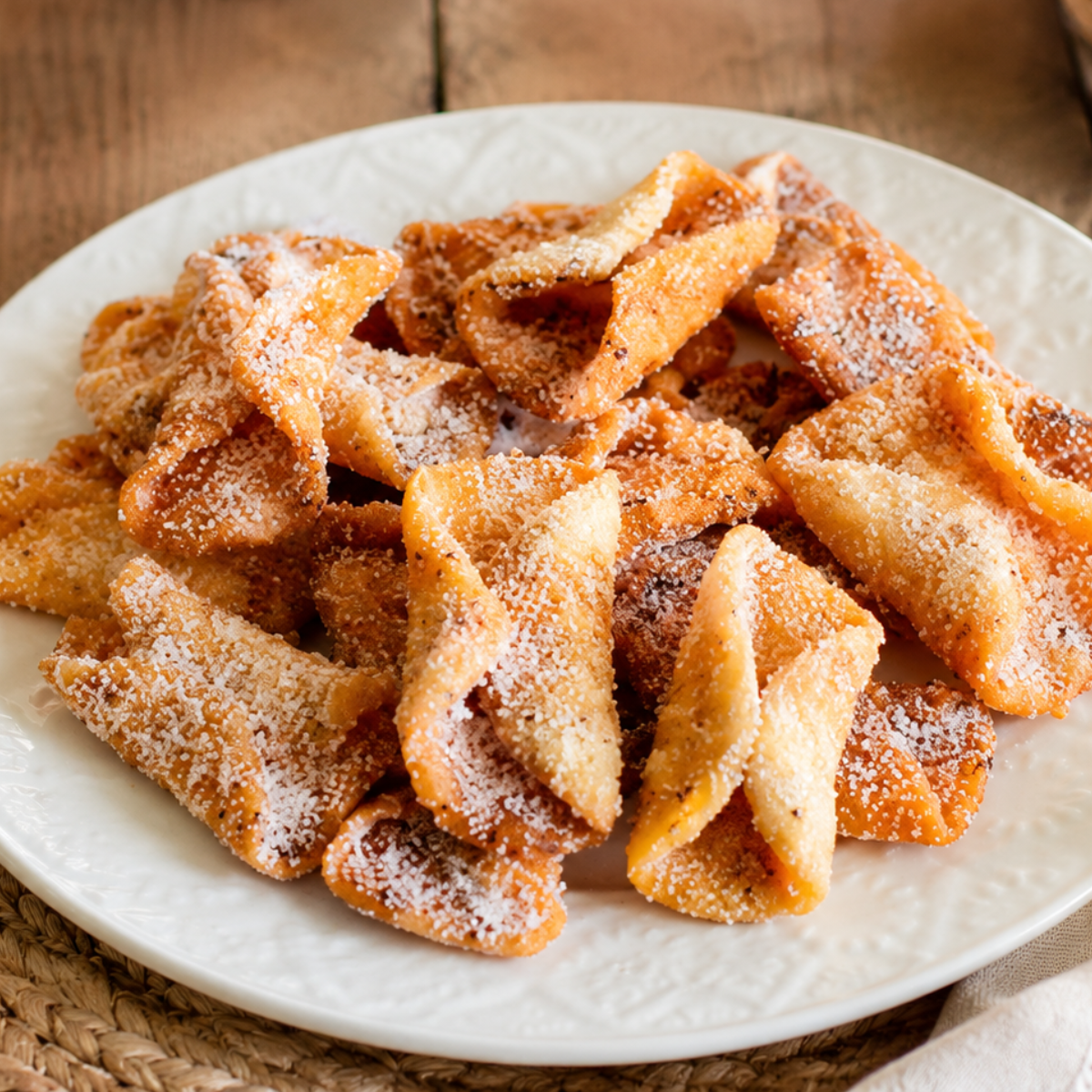
Traditional Pestiños: Step by Step Recipe. Andalusia’s Classic Sweet

Description
Pestiños are one of the most iconic sweets of Andalusian pastry, especially popular during Holy Week and Christmas. Crispy, golden, and flavored with anise and sesame, these traditional treats win you over with their simplicity and unique taste. If you want to learn how to make pestiños at home, here's an easy and authentic recipe for you.
Ingredients
Method
-
Flavor the oil
In a pan, heat the 125 ml of olive oil with the orange or lemon peel. When it starts to brown, remove the peel and add the sesame seeds and anise seeds. Let them infuse for a few seconds and then remove from the heat. Let the oil cool.
-
Prepare the dough
In a large bowl, put the flour with a pinch of salt. Add the flavored oil (already cooled) and the white wine. Mix until you form a smooth, homogeneous dough. If the dough is too dry, you can add another tablespoon of wine or warm water.
-
Let the dough rest
Cover the dough with a clean cloth and let it rest for 30 minutes at room temperature. This helps make it easier to work with and gives it a better texture.
-
Shape the pestiños
Roll out the dough with a rolling pin until it's thin (about 2 mm). Cut into small squares or rectangles and pinch two opposite corners in the center to form the traditional 'little ear' or bow shape.
-
Fry
Heat plenty of olive oil in a deep pan. Fry the pestiños in small batches, turning them over so they brown on both sides. Take them out and place them on paper towels.
-
To sweeten
With honey: Heat the honey with a splash of water in a small pan. Dip the pestiños briefly and let them drain on a rack.
With sugar and cinnamon: Coat the pestiños, still hot, in a mixture of sugar and cinnamon to taste.
Nota
Tips to Make Your Pestiños Turn Out Perfect
Use a mild olive oil so the flavor isn’t too strong.
Don’t roll the dough too thick, so they stay crunchy.
You can add a touch of sweet anise at the end to enhance the flavor.
If you like experimenting, try a bit of orange zest or a pinch of ground clove in the dough.
Frequently Asked Questions About Pestiños
Can pestiños be baked?
Traditionally they’re fried, but yes, you can bake them at 180 °C (356 °F) for 12-15 minutes until golden. They won’t be as crunchy, but it’s a lighter option.
How long do pestiños last?
Properly stored in an airtight container, they can last up to 7 days. If they’re coated in honey, they’ll last even longer and stay moist.
In which regions of Spain are they most commonly eaten?
They’re typical in Andalusia, especially in Cádiz, Seville, Córdoba, and Granada, though you can also find variations in other southern parts of Spain.